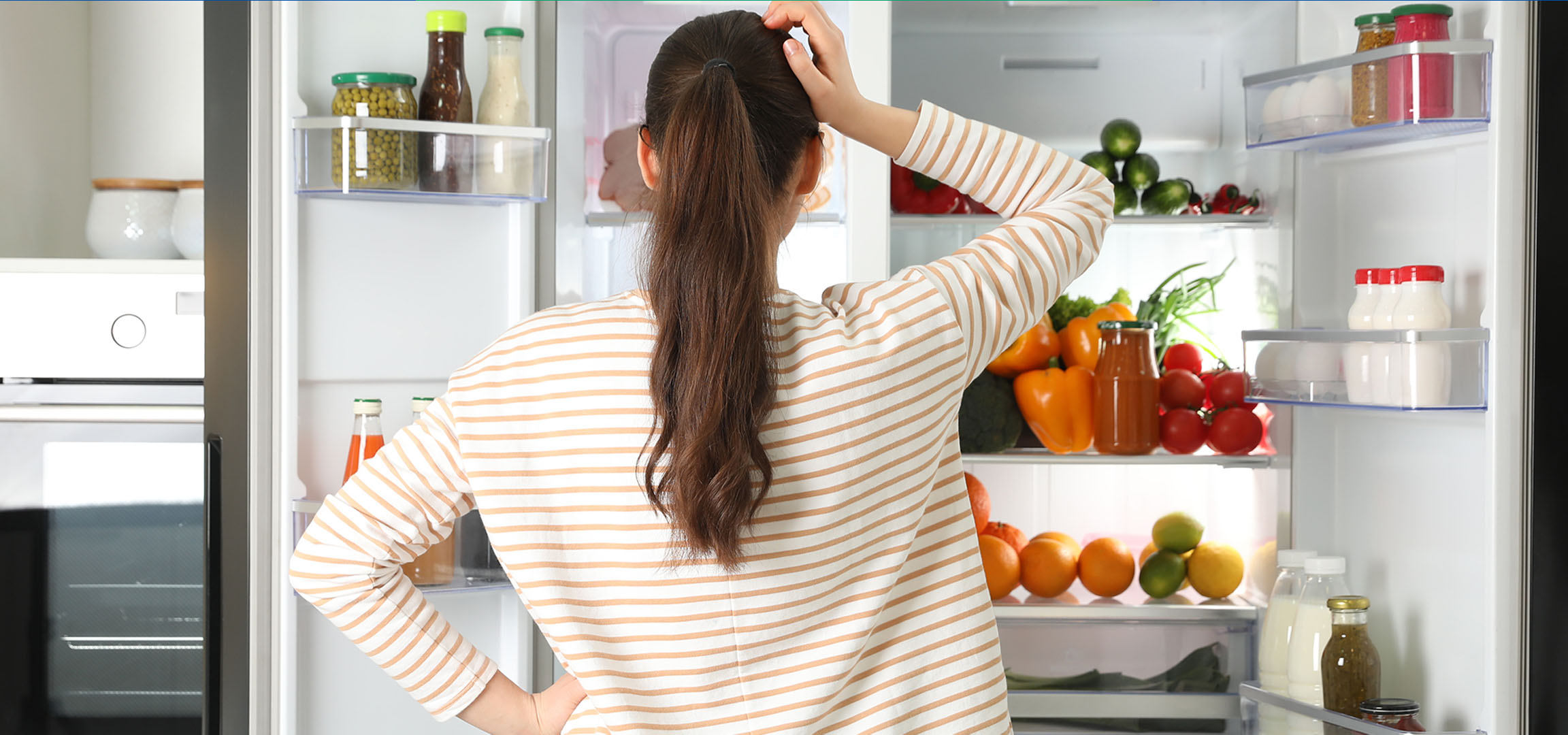
How to Organise Your Fridge: Here's How It's Done
To keep fresh food fresher for longer, one thing is key: organising your fridge correctly! What goes on which shelf and how can you smartly organise your fresh groceries? Here's your guide to longer-lasting food, lower energy consumption and maximum enjoyment.
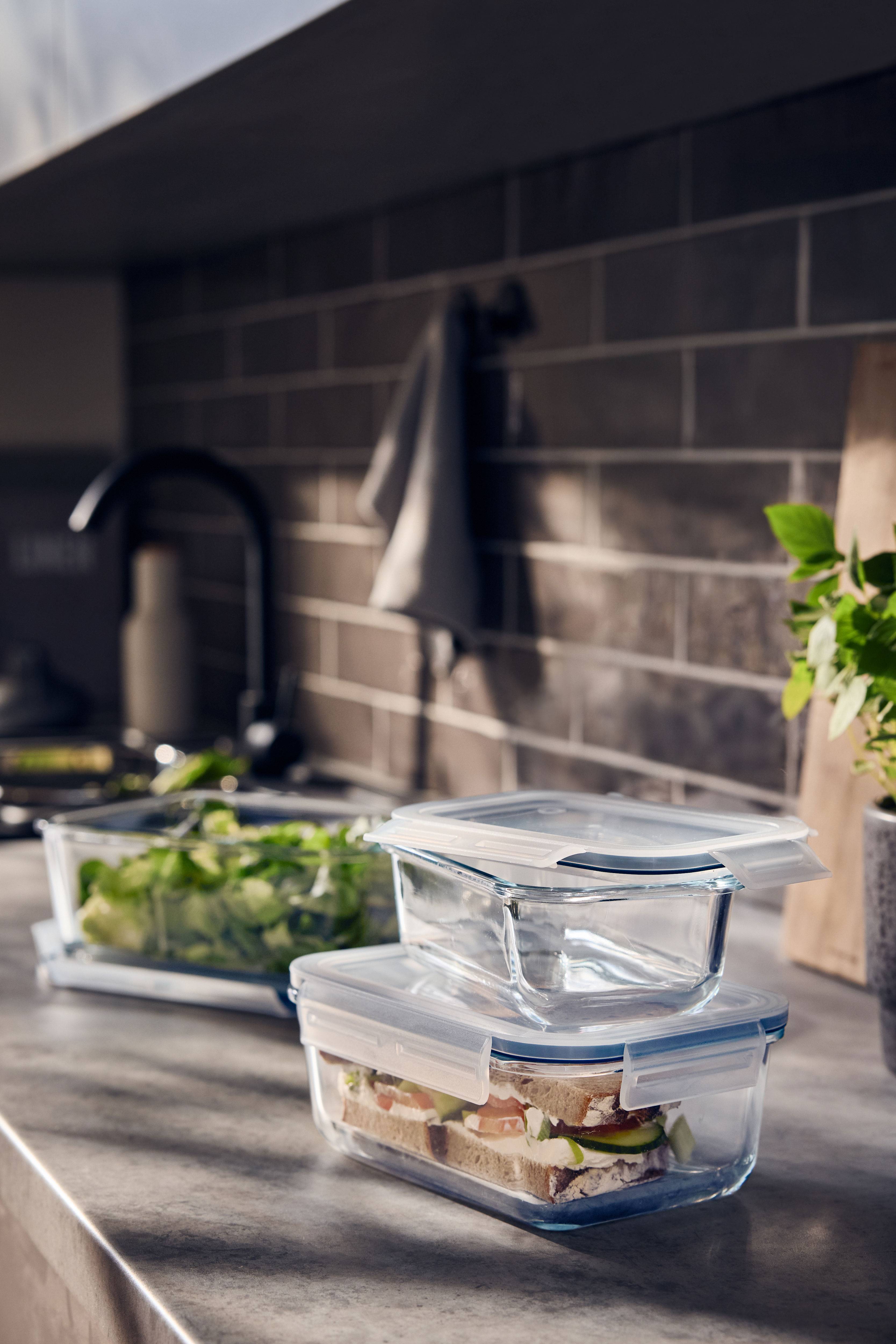
How to organise your fridge – and why it matters
Every section of your fridge has a different temperature. Depending on the model, these zones can range from 2 to 14 °C. This is because some foods need to be kept colder than others. When every item is in the right place, storing your food correctly in the fridge helps to ensure that it:
- stays fresh for longer
- retains its flavour
- won't go mouldy or dry out
- absorbs fewer odours from other foods
- won't spoil other items (e.g. due to ripening gases)
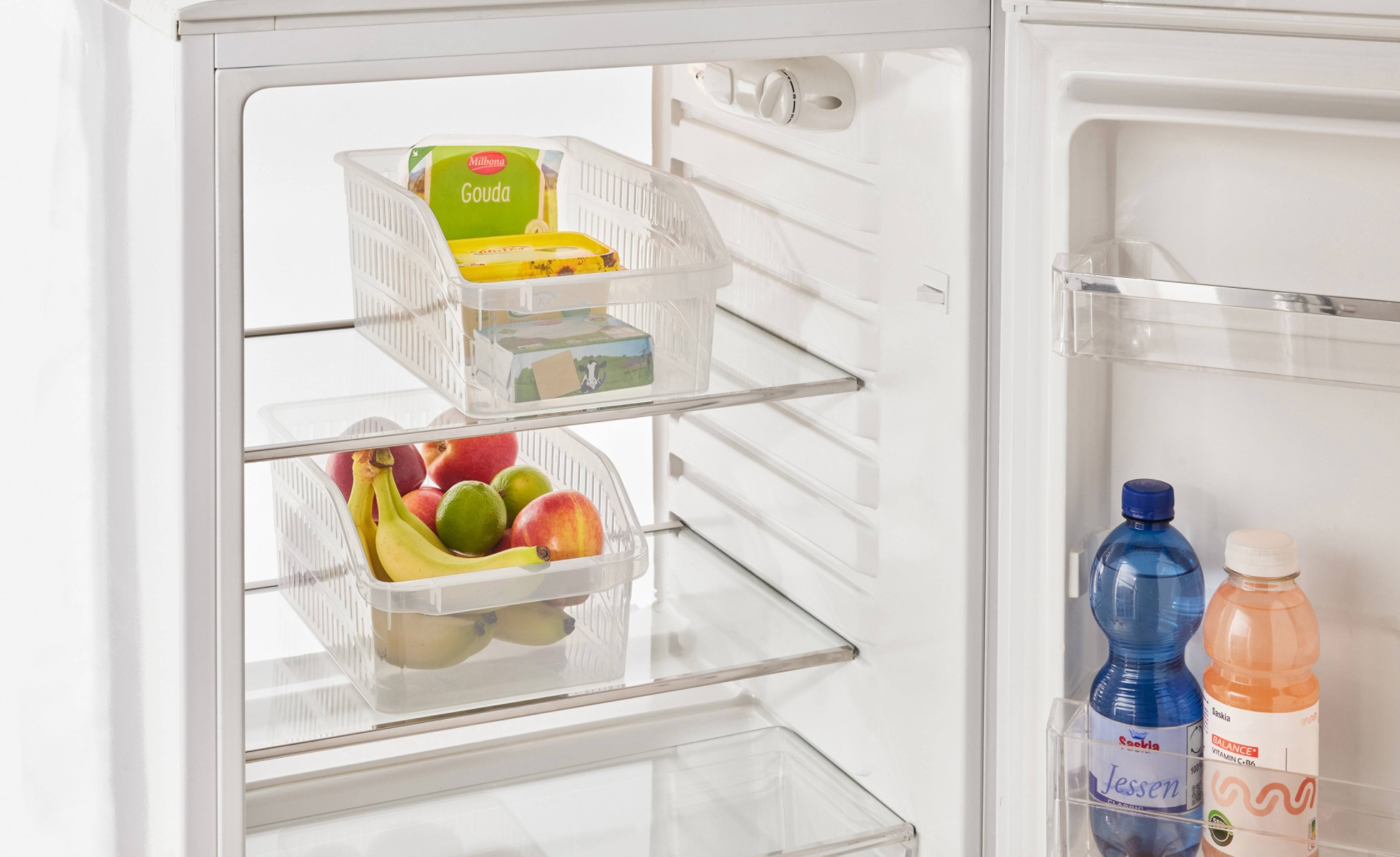
Organising your fridge: A systematic guide
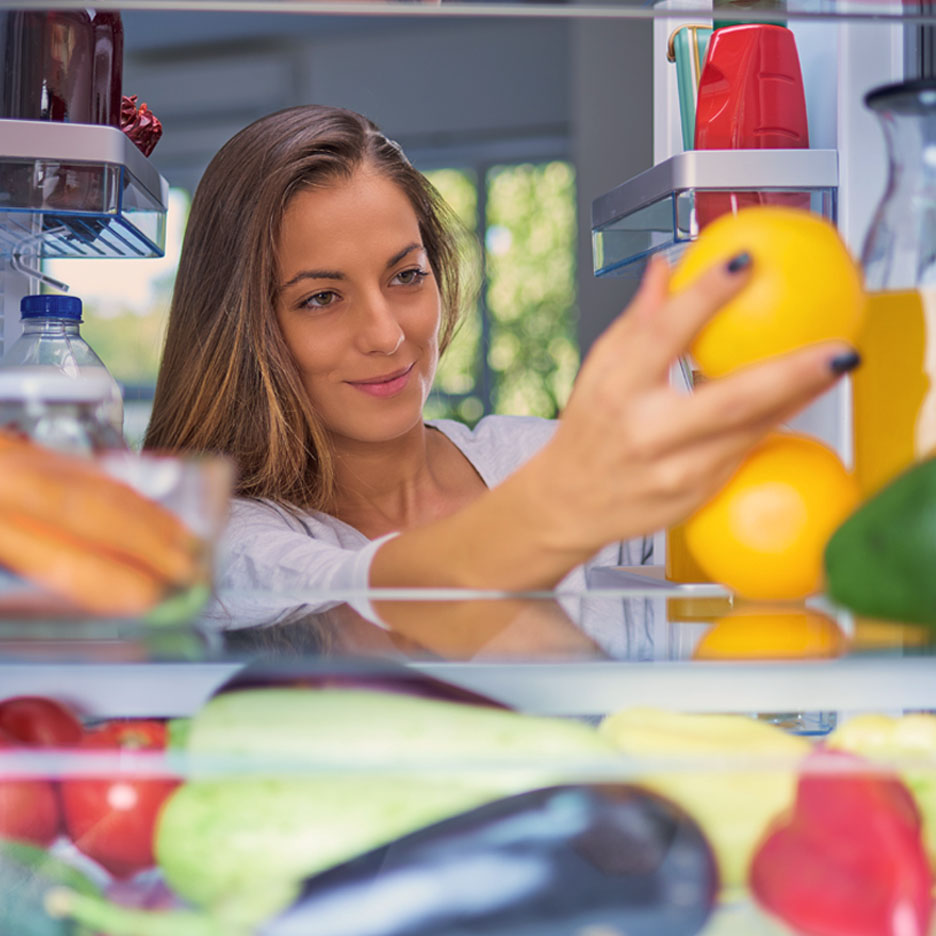
A fridge consists of a certain number of shelves, vegetable drawers at the bottom, and storage compartments in the door. Each of these zones is intended for different types of food:
- Bottom shelf: This is the coldest part, with an average temperature of 5 °C – especially if the shelf is made of glass. It's the ideal place for highly perishable items like fish and meat.
- Middle shelf/shelves: The happy medium in terms of fridge temperature is perfect for delicate dairy products and eggs. The temperature here is usually around 7 °C.
- Top shelf/shelves: With temperatures up to 10 °C, this is where you can store pre-packaged cheese, jam, sauces, or leftovers.
- Vegetable drawer: At mild temperatures of up to 14 °C, fruit and vegetables stay crisp for longer. However, this only applies if your fresh produce is suitable for storing in the fridge! You can find out more in our guide on which fruit and vegetables to store in the fridge.
- Fridge door: In terms of temperature, the fridge door works similarly to the shelves – it gets warmer from bottom to top. Simply follow the layout: put eggs in the egg compartment at the top, place drinks in the bottle rack, and use the middle for opened products that you'll be using up soon.
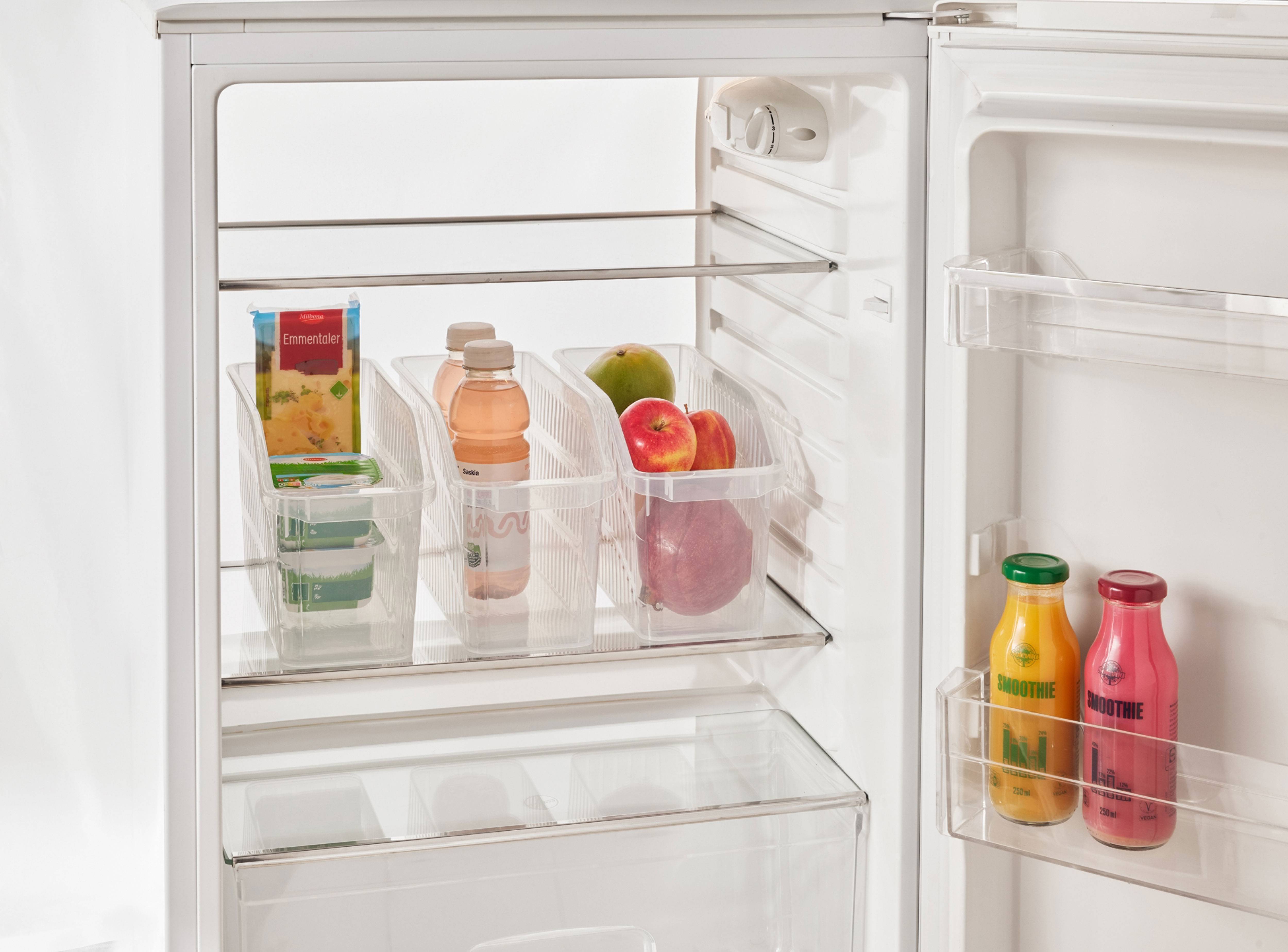
Tips for Organising Your Fridge
If you're clever about how you pack your fridge, you can save money in all sorts of ways. It's best to follow these tips:
- Sort food by its expiry date: Fresh products to the back, older ones to the front – this reduces the chance of forgetting about something in your fridge.
- Keep your favourites within easy reach: The longer the fridge door is open, the more electricity the appliance uses. Items you need all the time should always be in pole position – even if the temperature there isn't quite optimal.
- Don't put warm food in the fridge: Contrary to old beliefs, it won't break the fridge. However, it will need more energy to maintain its temperature.
- An empty fridge means higher energy consumption: In a full fridge, the products help to keep each other cool. That's why a big weekly shop is a better idea from an energy perspective than shopping daily.
- Keep a clear view: Transfer opened tins, leftovers, etc., into transparent glass storage containers. They stack perfectly and you can see at a glance what's left – and what's not.
Extra Tip: The Best Before date is a guideline. Most foods are still perfectly fine to eat long after this date. Use your nose, eyes and sense of taste to check if you can still eat a product. The Use By date, on the other hand, is binding. Expired? Out it goes!