Different Cuts of Steak: Your Ultimate Guide to Choosing the Perfect Bite
Picture this: you're standing in front of the meat counter, the smell of the barbecue already in your head, and you're faced with a row of steaks you can't quite tell apart. Sirloin, striploin, or fillet? It's enough to put you off entirely.
Once you understand the basics, choosing the right cut becomes second nature. And the payoff is real: the right steak, cooked the right way, is so rewarding.
The Basics: Tenderness, Flavour, and Cooking Method
Every steak cut is different because every part of the animal does different work. Muscles that work hard, like the rump, develop more flavour but can be tougher. Muscles that barely move, like the fillet, stay incredibly tender. Neither is better than the other; they're just different tools for different jobs.
Here are three things to keep in mind when choosing your type of steak:
● Tenderness: how soft and easy to chew the meat is
● Flavour: how rich, beefy, or complex the taste is (often tied to fat content)
● Cooking method: some cuts suit a quick blast on a hot pan; others need a little more patience
The King of the Grill: Popular Steak Cuts You Need to Know
Sirloin Steak: The Versatile Classic
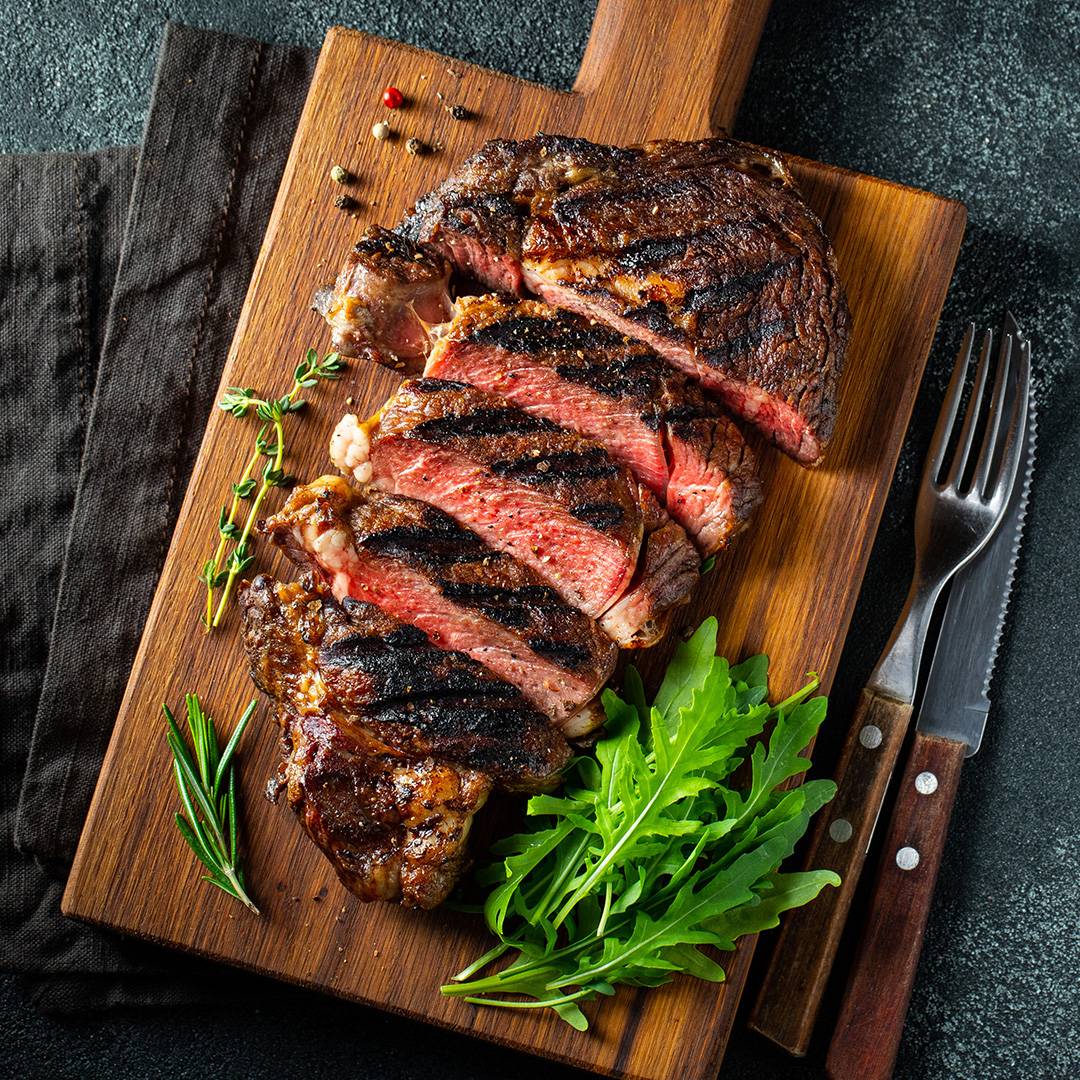
The sirloin is Ireland's go-to steak for good reason. Cut from the lower back of the animal, it strikes a lovely balance between tenderness and flavour. It's beefy enough to be satisfying and lean enough to feel like a treat rather than a guilty pleasure.
It's forgiving to cook, which makes it brilliant for home cooks at any level. A hot pan, a knob of butter, a couple of minutes each side, and you're most of the way there. It also cooks beautifully on the grill.
Best for: Weeknight dinners, pan-frying, grilling
Pairs with: Peppercorn sauce, roasted veg, chunky chips — and a medium-bodied red like a Malbec or Rioja
Striploin Steak: The Robust and Flavourful Choice
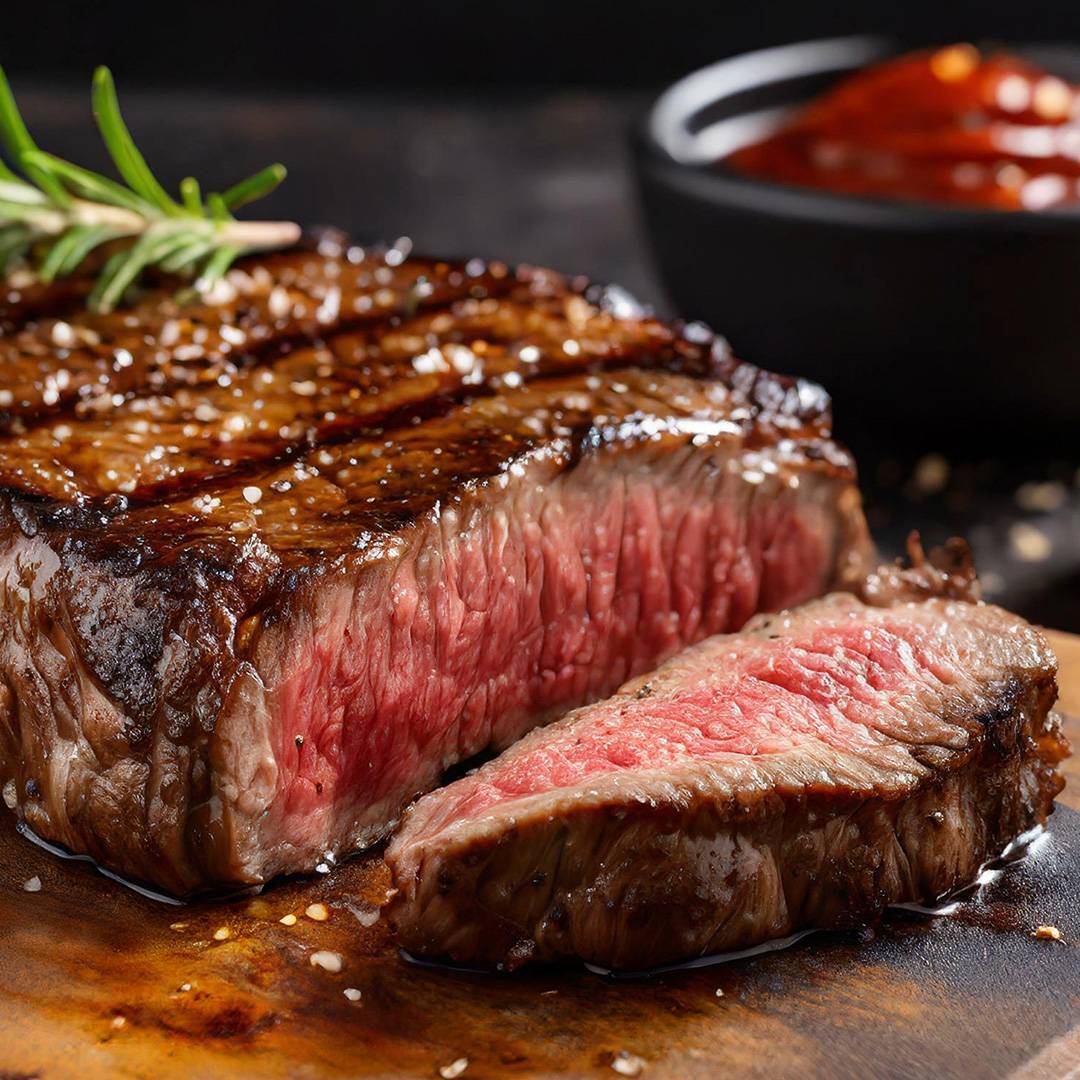
The striploin sits along the short loin, just above the sirloin. It has a firmer texture with a strip of fat along one edge that bastes the meat as it cooks, which translates directly into flavour.
If the sirloin is the reliable all-rounder, the striploin is the one that turns heads at the table. It's got a bit more personality.
Striploin vs Sirloin: What's the Difference?
This one trips people up. In Ireland, "striploin" and "sirloin" are sometimes used interchangeably, but there is a distinction. Broadly, the striploin tends to be cut from further forward along the loin, has a slightly firmer chew, and carries more of that bold, beefy punch. The sirloin is a leaner and more tender cut.
In short, if you want something a little more robust and full of flavour, go striploin. If you want something leaner and a bit more versatile, choose sirloin. You can't go wrong with either.
Best for: Grilling, high-heat pan cooking
Pairs with: Garlic butter, grilled mushrooms — try it with a Cabernet Sauvignon or a bold Shiraz
Fillet Steak: The Epitome of Tenderness
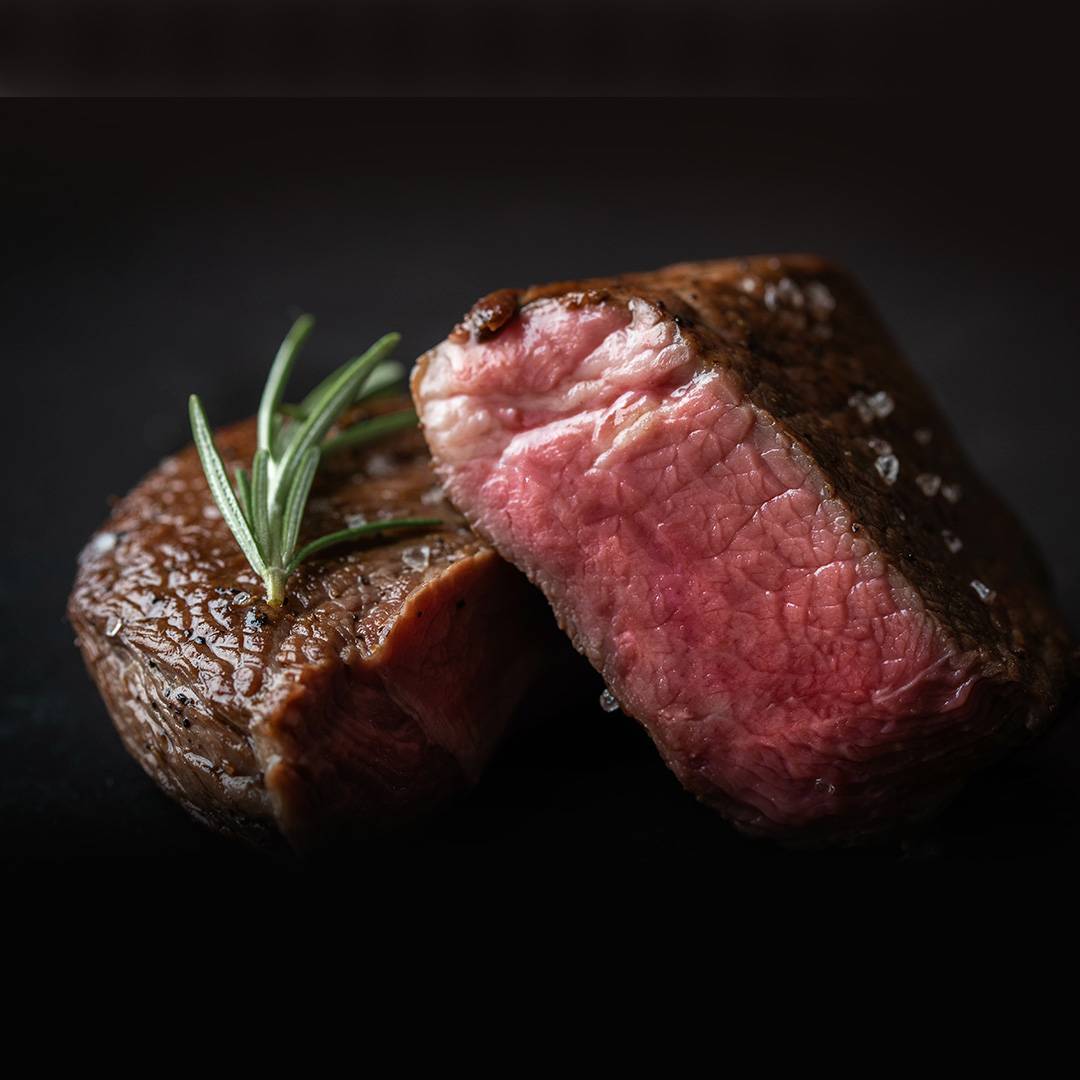
The fillet, sometimes called tenderloin, is the softest cut on the animal. It comes from a muscle that does almost no work, which is why it melts rather than chews. It's the classic special occasion steak, often the priciest on any menu.
Because it's a lean cut, the fillet has a milder flavour than fattier cuts. It lets sauces and seasonings shine. There's a good reason that a peppercorn or béarnaise sauce alongside a fillet is a classic.
Best for: Special occasions, pan-frying with a sauce, Beef Wellington
Pairs with: Béarnaise or blue cheese sauce, wilted spinach — a silky Pinot Noir is the classic match
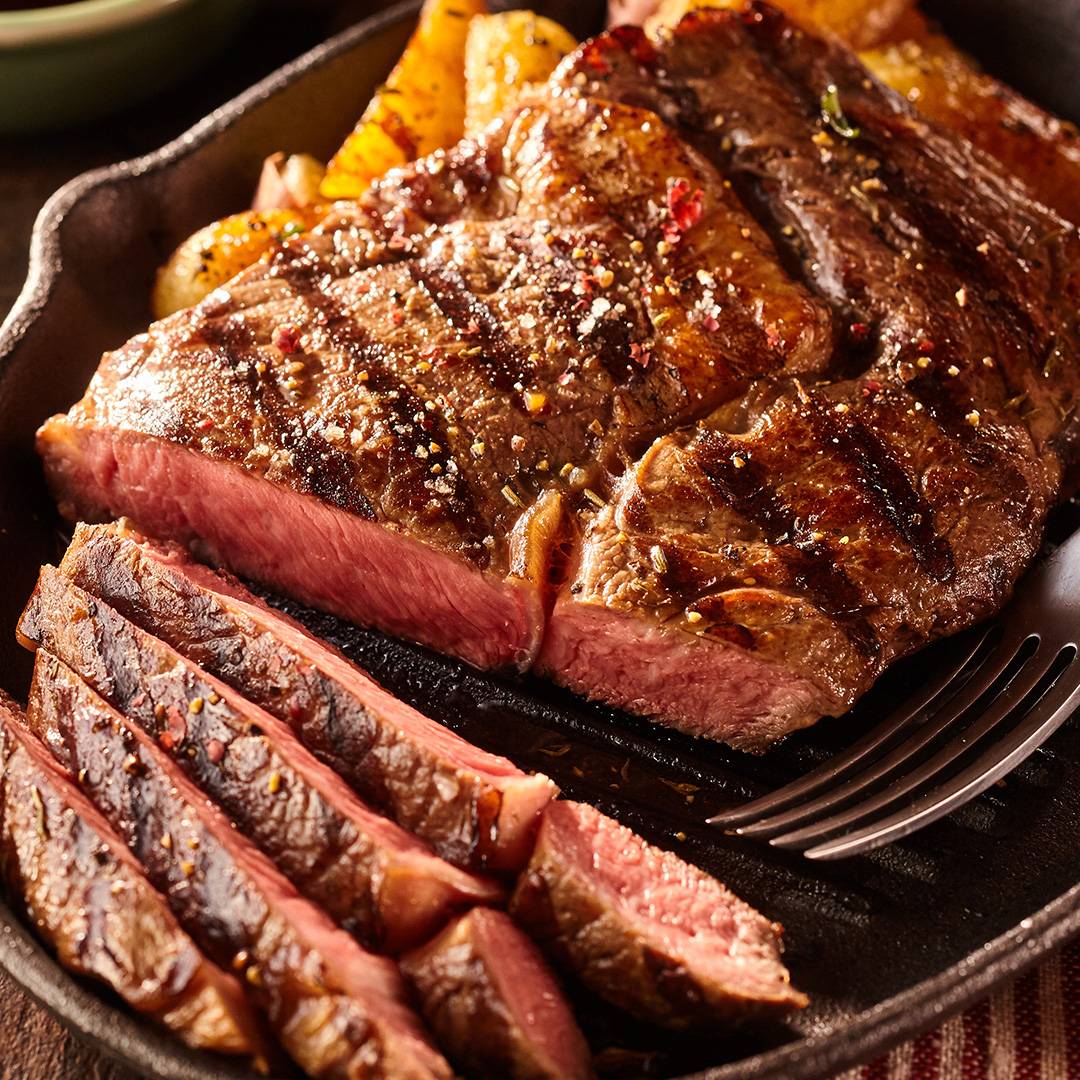
Rib-Eye Steak: Marbled Perfection
If tenderness is the fillet's superpower, marbling is the rib-eye's. Those thin threads of fat running through the meat melt during cooking, keeping everything juicy and packing in an enormous amount of flavour.
The rib-eye is a meat-lover's steak. It's rich, indulgent, and deeply satisfying. It can handle high heat and benefits from a decent rest after cooking, ideally a few minutes on a warm plate before you cut into it.
Best for: Grilling, pan-frying, barbecue
Pairs with: Chimichurri, caramelised onions, triple-cooked chips — rich enough to stand up to a full-bodied Malbec or Zinfandel
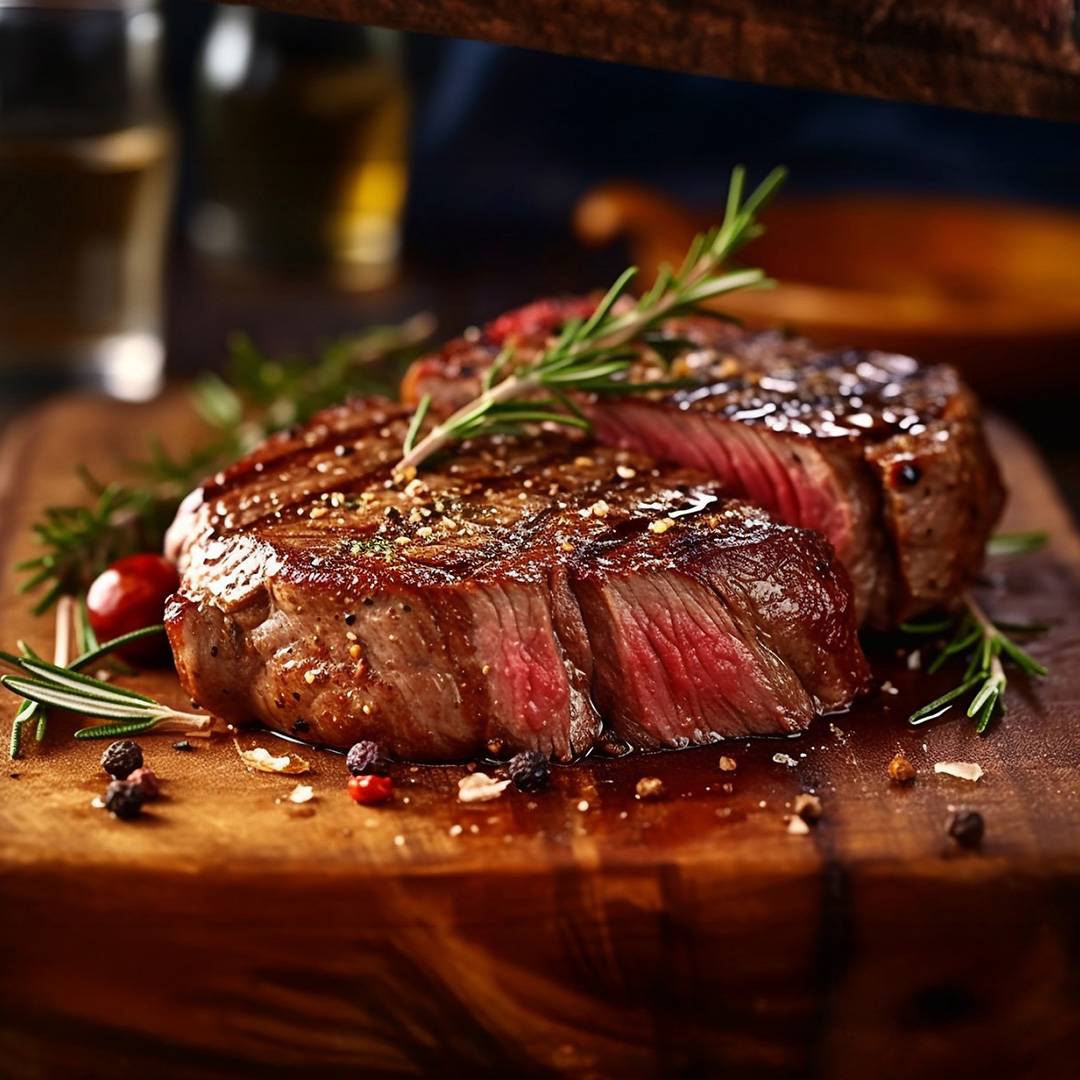
Rump Steak: Budget-Friendly Flavour
Don't overlook the rump. It comes from the hindquarter, which is a working muscle, so it's firmer than the cuts above, but what it lacks in tenderness it more than makes up for in flavour. Many steak lovers actually prefer it for that very reason.
It's also one of the most affordable cuts, making it ideal for everyday cooking without compromising on taste. Slice it thinly against the grain after resting, and you'll wonder why you ever thought it was the "budget option."
Best for: Stir-fries, quick grilling, everyday dinners
Pairs with: Soy and ginger marinade, Asian greens - or keep it classic with a Côtes du Rhône
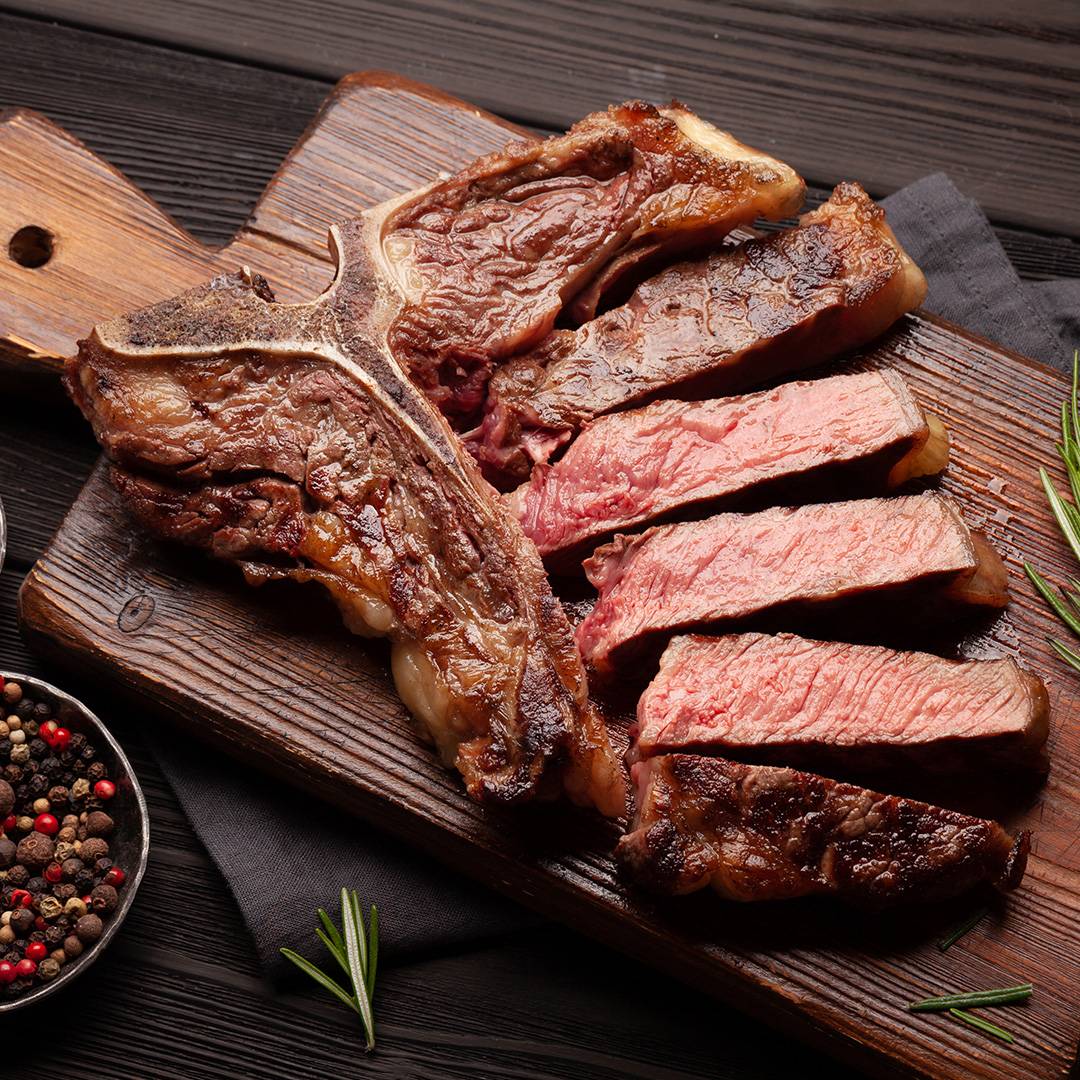
T-Bone and Porterhouse: The Best of Both Worlds
If you can't decide between a sirloin and a fillet, the T-bone and porterhouse solve that problem neatly. Both are cut to include a T-shaped bone with sirloin on one side and fillet on the other. The difference between the two is size: a porterhouse is simply a larger cut with a bigger portion of fillet.
These steaks take a little more care to cook evenly, but on a hot grill with some good seasoning, they're absolutely spectacular.
Best for: Grilling, special occasions, impressing guests
Pairs with: Simple sea salt and herb butter, grilled corn — go big with an Argentinian Malbec or aged Rioja Reserva
Beyond the Cut: Tips for a Perfect Steak Every Time
Achieving Perfect Doneness
Steak doneness is personal, and there's no wrong answer, but here's a rough guide:
● Rare: cool red centre, very soft to touch
● Medium-rare: warm red centre, springy (the sweet spot for most cuts)
● Medium: pink centre, slightly firmer
● Well-done: cooked through, firmer texture
A meat thermometer takes the guesswork out of it entirely. For medium-rare, aim for around 55–57°C in the centre.
Take the guesswork out of cooking — Learn how to cook the perfect steak with our step-by-step guide.
Seasoning and Marinades
For premium cuts like fillet or rib-eye, keep it simple. Good salt (ideally flaky sea salt), cracked black pepper, and a little butter in the pan are all you need. Let the meat speak.
For tougher cuts like rump, a marinade with something acidic (lemon juice, vinegar, or even a splash of red wine) can help tenderise and add depth. Give it at least 30 minutes, or overnight in the fridge if you have the time.
One rule that applies to every cut: let your steak come to room temperature before cooking (about 20–30 minutes out of the fridge), and always rest it after. Three to five minutes under foil makes a real difference to the final result.
Sourcing Your Steak: Why Lidl is Your Go-To
Lidl's beef range brings you great cuts at prices that make sense because good steak shouldn't be reserved for restaurant menus. It’s all part of delivering More to Value every time you shop. Whether you're picking up a fillet for a Friday night treat or loading up on rump for a midweek stir-fry, you'll find what you need without the premium price tag.
And if you need inspiration for what to do with your steak once you've chosen it, Lidl's meat recipes offer plenty of practical ideas for every cut and every occasion.
Ready to Grill? Your Lidl Steak Adventure Awaits
Now that you know your sirloin from your striploin and your fillet from your rib-eye, you've got everything you need to walk into the meat aisle with confidence. Pick a cut, keep the seasoning honest, and don't rush the rest.
Life's too short to eat a steak you didn't enjoy. Start exploring Lidl's fresh groceries and find your new favourite cut, fire up the pan, and make it yours.