The browser is not supported
To display the website correctly, please use one of the following browsers.CautionPlease update your browser, if you proceed with this browser, your shopping experience might not be successful!
    Learning to run: 5 tips for technique & getting startedYou want to start running - but don't really know how? Then you've come to the right place! Running is one of the easiest and most effective sports to get fit, reduce stress and improve your endurance. However, the right technique, the right pace and the necessary patience are essential, especially at the beginning. In this article, our two running experts Tim and David give you 5 practical tips for getting started with running, explain what you should pay attention to when it comes to running technique - and how you can avoid injuries as a beginner.
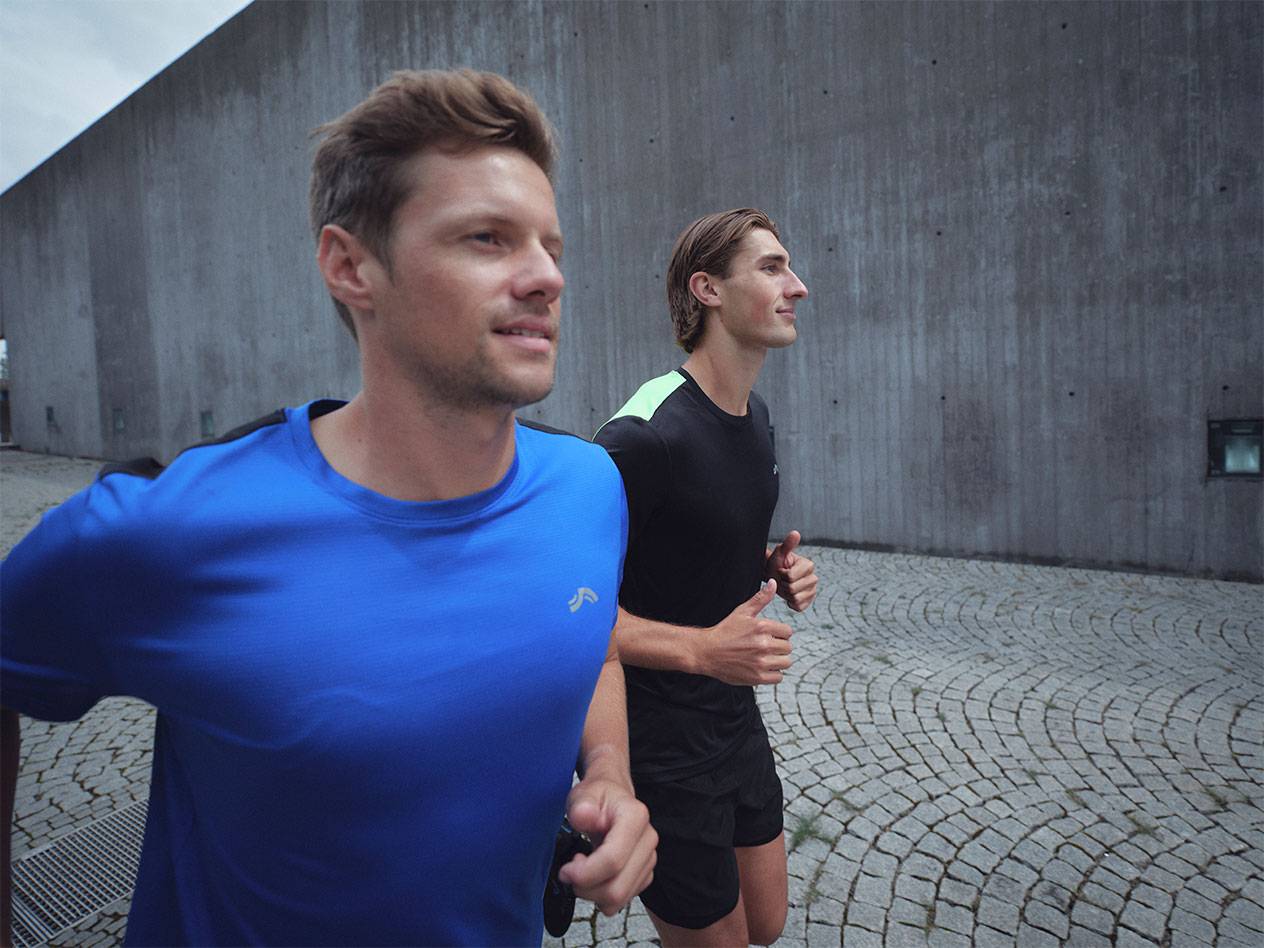
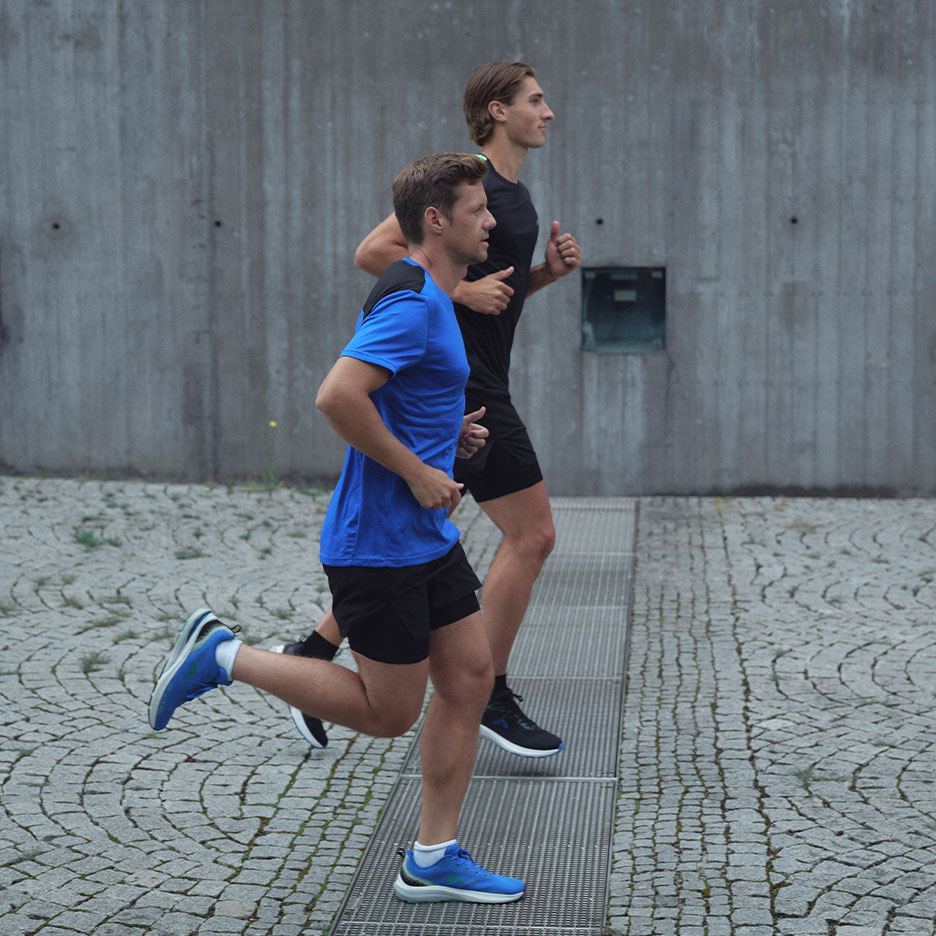
    Two men running in sports t-shirts and shorts
    Two men running in sports t-shirts and shorts, one blue and one black.
    How do you start running? The first step is often the hardest - but when it comes to running, it's worth getting started! It is important that you start realistically, relaxed and with structure instead of overstraining yourself. How to start running:Start with walking-running intervals: Especially at the beginning, it makes sense to combine running and walking. For example: one minute of easy jogging, two minutes of walking. Repeat this for 20-30 minutes.Make sure you have good shoes: Good running shoes are the most important piece of equipment. Running expert David explains: "Running shoes are about two things: cushioning and flexibility. Especially if you are not yet a perfect runner, a midsole helps to reduce the impact and relieve the joint. "Choose the right clothing: "Functional clothing in particular makes a difference - it transports moisture, regulates the temperature and adapts to your movement - you notice this with every kilometre," says Tim, who runs almost every day himself.Find an easy, flat route: It is best to start on soft ground (e.g. forest path or park) without steep inclines. This is easier on the joints and motivates you to keep at it.Don't run too fast - run consistently: slow running helps you build up basic endurance. This is especially important at the beginning to keep going. Run at a pace at which you can still hold a conversation. This will help you stay relaxed and slowly build up your endurance.practise the right running technique: this is often underestimated, especially by beginners. However, it's worth practising the right running technique right from the start.

    Why is running technique so important for beginners? The main thing is to start running! But if you use the wrong technique right from the start, you run the risk of overloading yourself or running uneconomically in the long term. "If you know what's important right from the start, running will be easier and you'll stick with it," emphasises sports scientist and physiotherapist David.Good running technique helps you:run more efficiently (less energy consumption)protect your joints avoid typical mistakes such as heel strikes or sloping shouldershave more fun & experience a sense of achievement
    5 tips for the right running technique for beginners "Many people start running - and quickly realise that it takes more than just motivation," says running expert Tim, who, as an international marathon athlete, knows what is important. The right technique is essential for long-term success. Our running experts David and Tim have revealed the most important tips for the right running technique.
    An upright posture "When you start running, your posture is the be-all and end-all," says David. How it works: "Imagine an invisible thread gently pulling you upwards at the back of your head. This automatically straightens you up, opens your chest and keeps your shoulders loose." This straightening avoids unnecessary strain. His checklist for correct posture: "Head straight, look forwards, shoulders relaxed, arms loose."
    Short, fast stridesThe size of the stride is a common mistake that the two experts observe in beginners. As is running with a lot of pressure. "Instead, try taking shorter, quick steps - so rather light and fluid than stomping," explains Tim. "Your foot should land under your centre of gravity - not far in front of it. This significantly reduces the impact load on your knees and hips. A good guideline is 160 to 180 steps per minute."
    The right foot strikeHow you place your foot when running makes a significant difference to your running technique: "If you land with your heel, you slow yourself down with every step. This takes energy - and can lead to discomfort in the long term," says David. To get it right, the expert recommends: "A gentle metatarsal strike is better to start with. This allows you to roll over your foot naturally. A soft surface is perfect for practising this - a forest path, for example. You'll get a feel for this type of running more quickly."
    The use of your armsThe use of your arms is totally underestimated by many beginners. Because what many people don't know: "Your arms stabilise your upper body and help you stay in rhythm." Tim explains how to use your arms correctly when running: "Hold your arms loosely at a 90-degree angle and keep them parallel to your body - don't cross them. This also saves energy and ensures a smooth flow of movement. A simple exercise: every now and then, consciously run 100 metres with active use of your arms."
    Deep abdominal breathing "Breathing is more powerful than many people think," emphasises sports scientist David. "Breathe deeply into your stomach - not just your chest." To concentrate better on your breathing and practise it specifically, he recommends finding a rhythm: "For example: breathe in for two steps, breathe out for two steps and stick to it." For easy runs, nasal breathing is sufficient in most cases. "If it gets more intense, you can switch to nose-to-mouth breathing," says the expert.
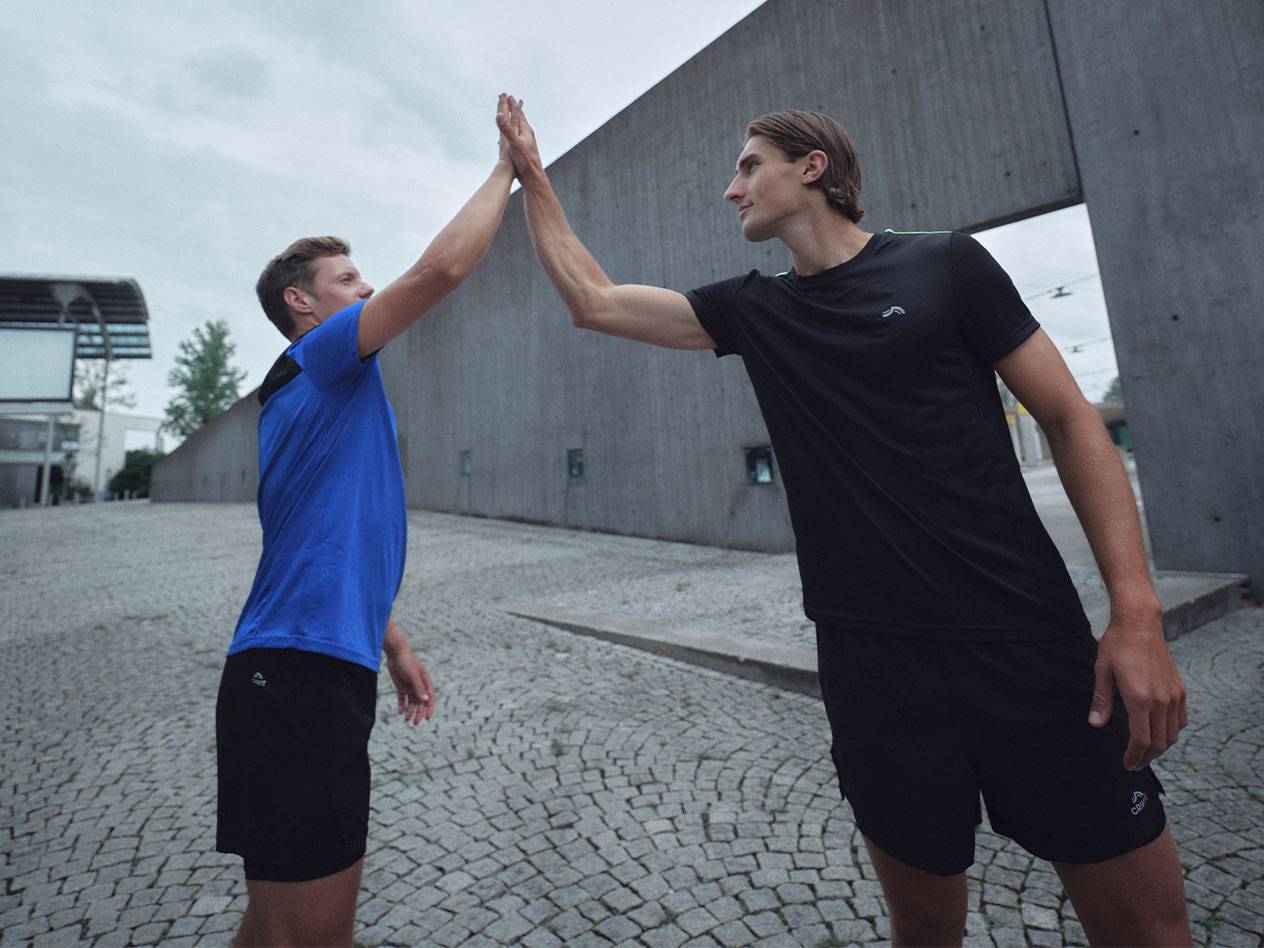
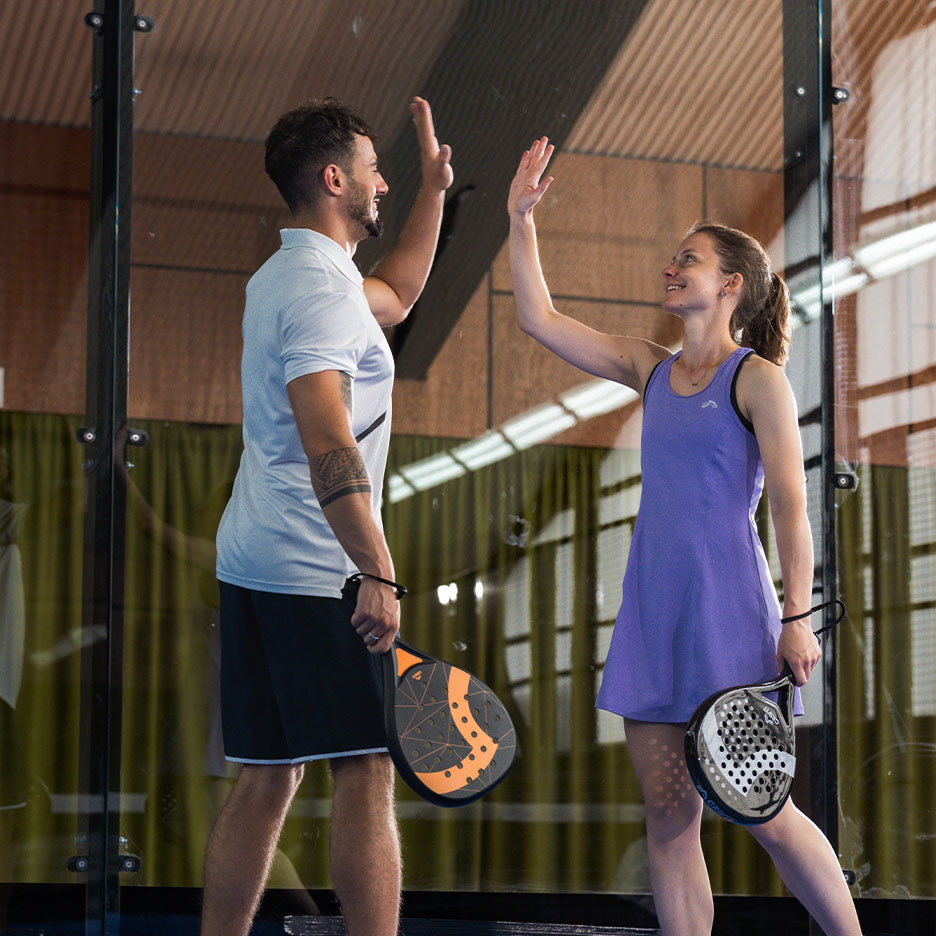
    Two men in black and blue sports t-shirts and shorts giving a high-five.
    Start your running training with technique, patience and funLearning to run is not a sprint - it's a process that starts with the first step. With the right tips to get you started, a conscious look at your running technique and realistic expectations, you can create the perfect foundation for long-term success. Our experts Tim and David show: It's not about speed, but about technique, body awareness and sticking with it. If you start slowly, run consciously and train regularly, you will not only become fitter - but also happier, more relaxed and healthier.
    Frequently asked questions about the right running technique

    Lauftechnik beschreibt die Art und Weise, wie du dich beim Laufen bewegst – dazu gehören Haltung, Schrittfrequenz, Fußaufsatz, Armbewegung und Atmung. Eine gute Lauftechnik hilft dir, effizienter und verletzungsfreier zu laufen.

    It is important to have an upright posture, short, even steps, a midfoot strike instead of a heel strike, loose arm use in the direction of running and calm abdominal breathing. These elements ensure a fluid running style that is easy on the joints.
    Running technique drills, such as skipping, heels, running backwards, running on soft ground or video analysis, help to improve running technique. It is also worth doing regular, conscious technique training.
    The most common mistakes made by beginners are striding too far, running on heels with a hard impact, cramped shoulders, crossing arm movements and panting instead of breathing evenly. These mistakes cost energy and increase the risk of injury.
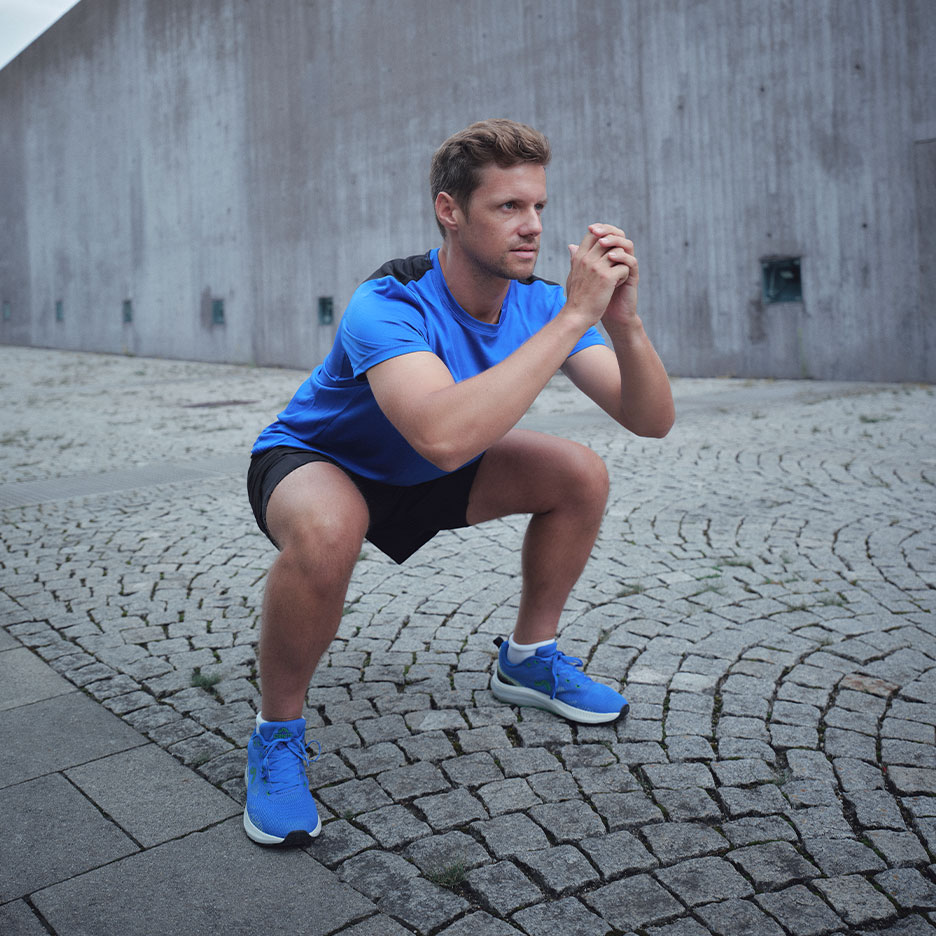
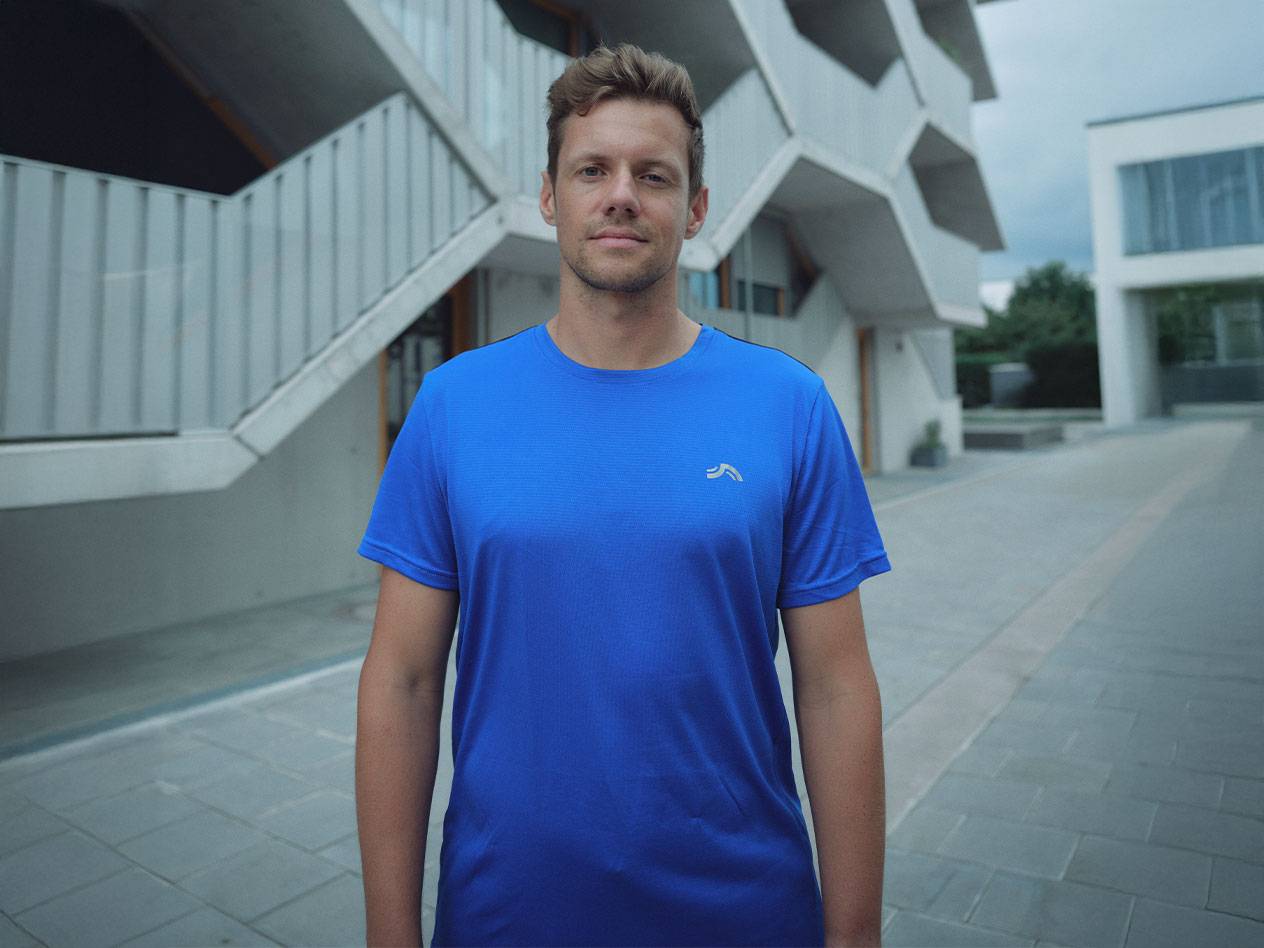
    Man in blue Crivit sports t-shirt, with a modern building in the background.
    Profile of running expert David Name: David SchonherrAge: 36 years oldProfession: Sports scientist & physiotherapist with his own running schoolsSports background:Sports scientist & physiotherapistUltra marathon runner / 2:23h marathonTwo-time winner: RedBull-WingsforLife World Runs GermanyThis is what makes David special: David is a real running pro. It's not just his sporting background that speaks for itself. He also passes on his expertise and is the founder of RunningCrew and LaufschuleMünster.
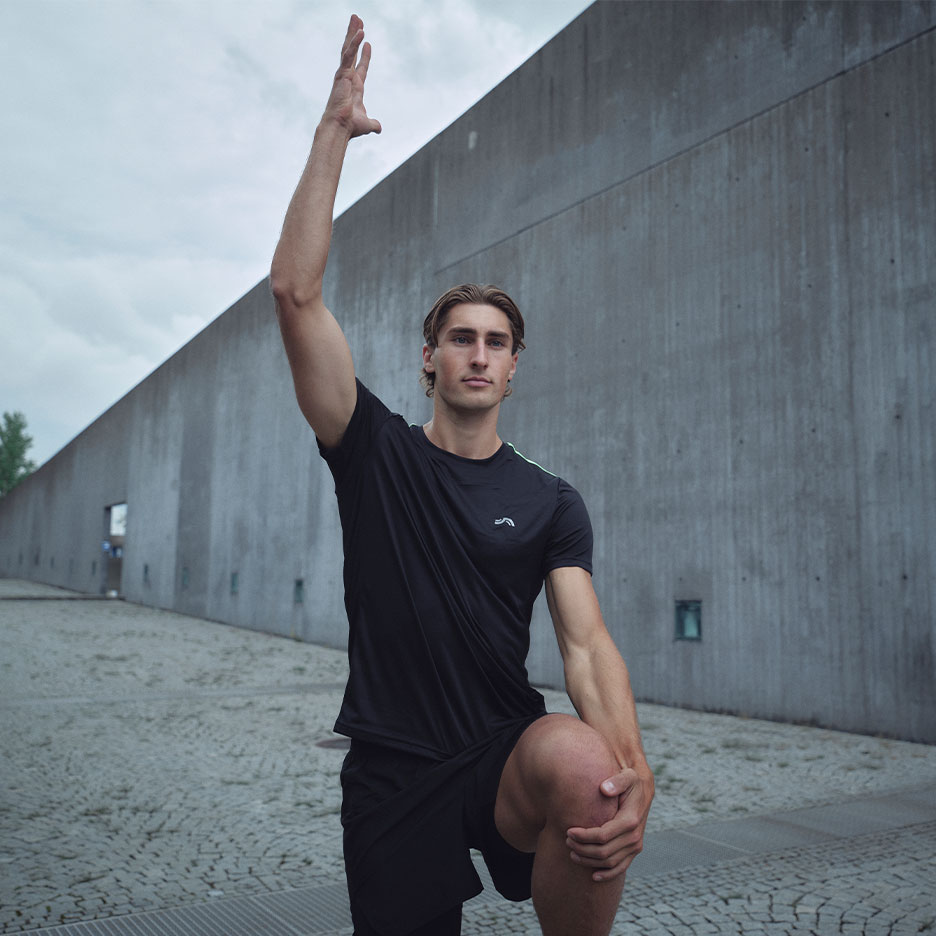
    Man in black t-shirt with logo and black shorts, standing outdoors with arms crossed.
    Profile of running expert TimName: Tim BuchheisterAge: 26 years oldProfession: International marathon athleteSports background:Competitive athlete since childhoodGrown up with football up to the regional league (including coaching licences), as well as tennis in his youthPassion for weight training and functional trainingThis is what makes Tim special: Tim has been passionate about sport his whole life. He is now particularly keen on running and HYROX. But it's not just sport: he loves to push himself and others to peak performance.
    Fit and activeSport & Leisure