Making coffee: Which method is right for you?
Easy with a bean-to-cup machine or precise with a manual filter? There are many ways to brew coffee. Which method suits which lifestyle and what does each one involve? Here’s your quick overview.
Coffee from a machine
Coffee from a machine is quick, offers great flavour and, depending on the type of machine, plenty of variety. The bean-to-cup machine is especially popular, but the good old filter coffee machine is also winning back fans. For purists and coffee connoisseurs, nothing beats a portafilter machine. Or perhaps a machine for coffee capsules or pods is the one for you?
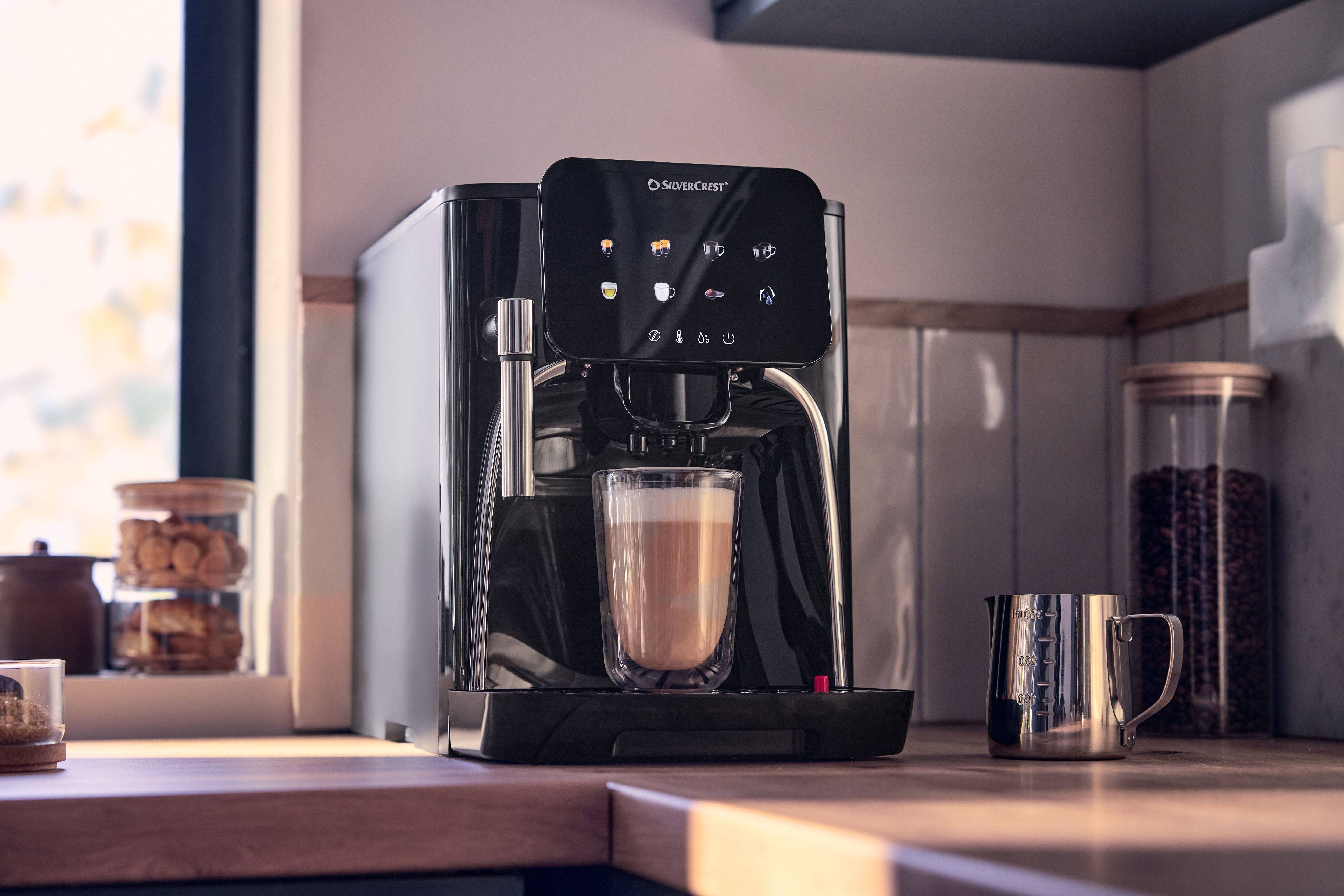
Bean-to-Cup Coffee Machine
+ a wide range of coffee specialities at the touch of a button
+ always made with fresh beans
+ customisable taste settings
– requires thorough cleaning & care
 AI
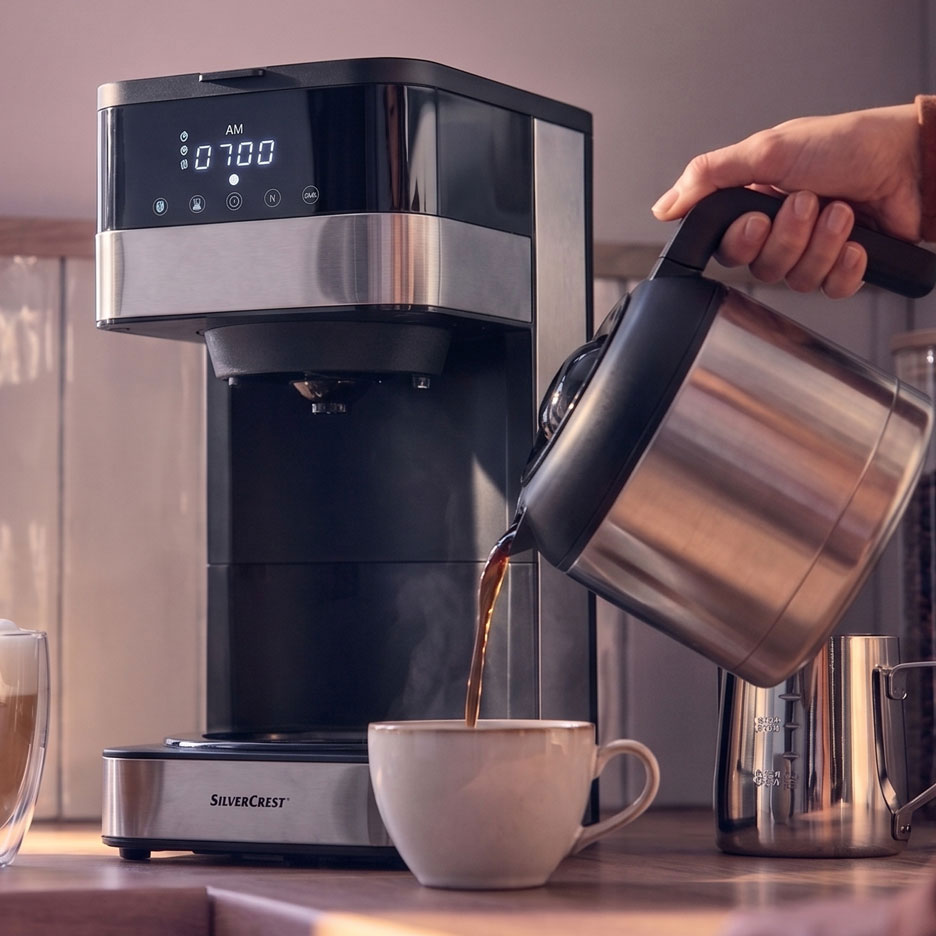
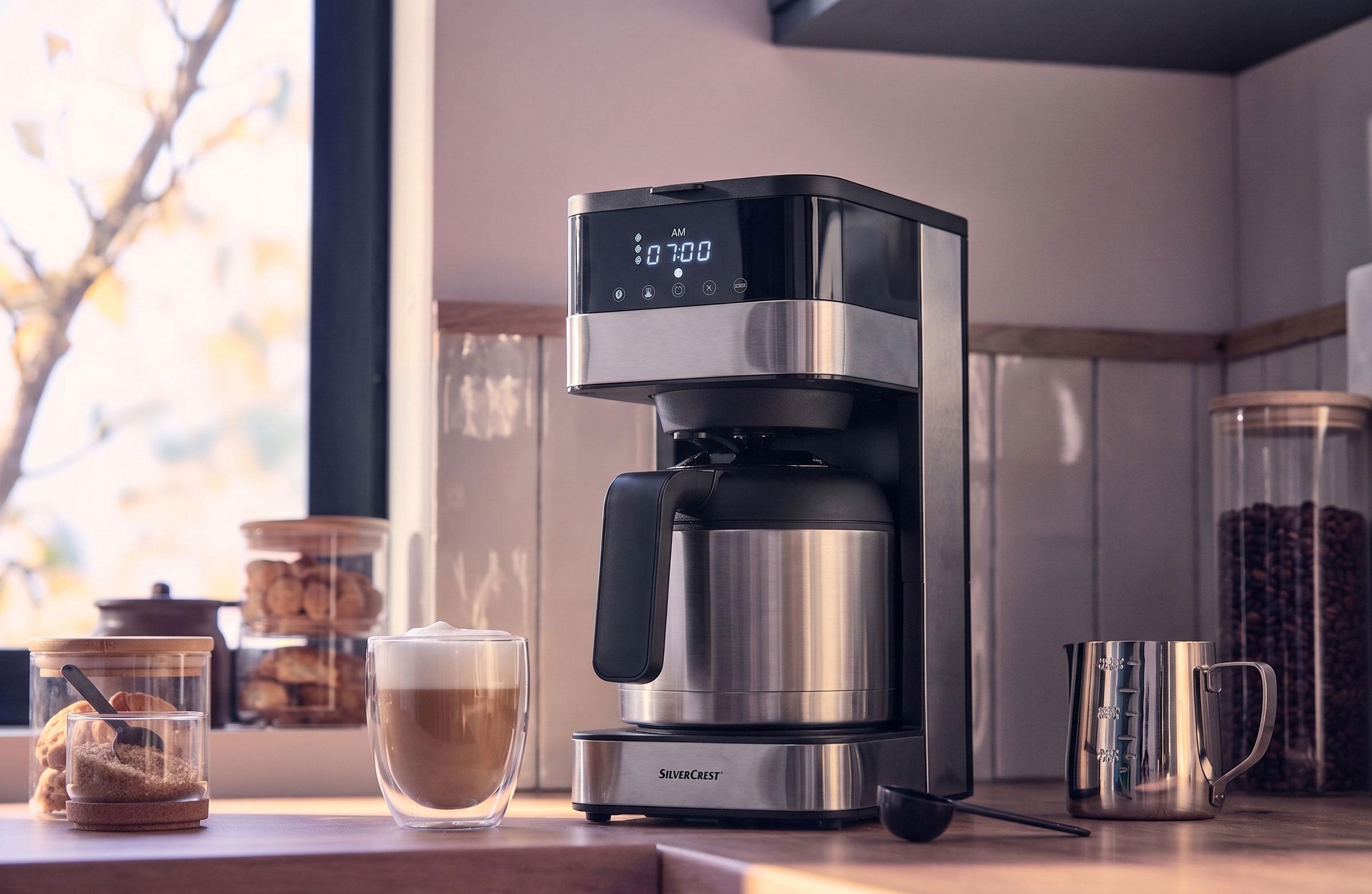
AIFilter Coffee Machine
+ lots of coffee at once, effortlessly
+ easy to use
+ low cost to buy and run
– can only make filter coffee
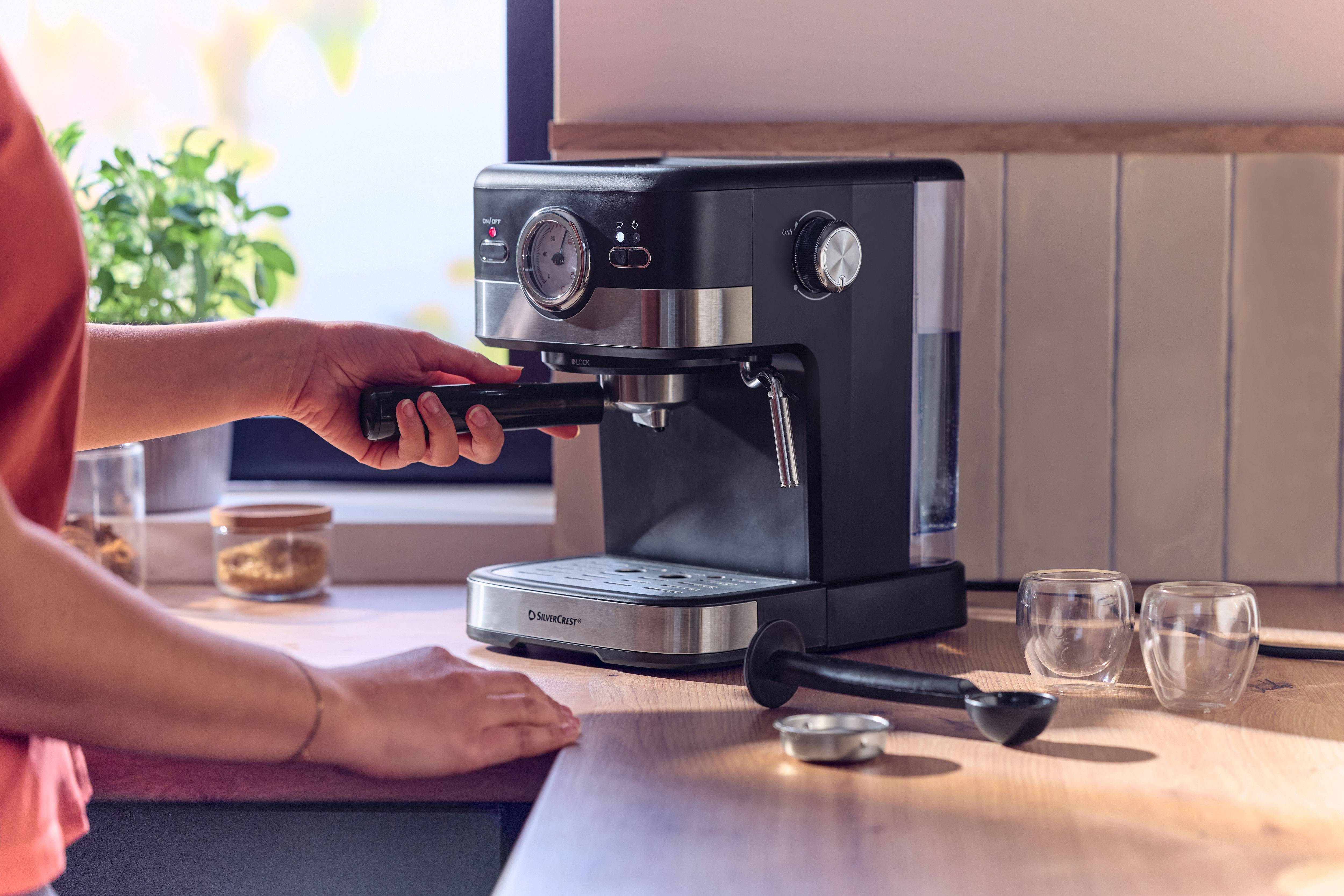
Espresso Machine
+ For real espresso and custom milk foam
+ Full control over every aspect of coffee making
+ Lots of opportunities to experiment and learn
– Requires knowledge, practice and accessories (coffee grinder)
 AI
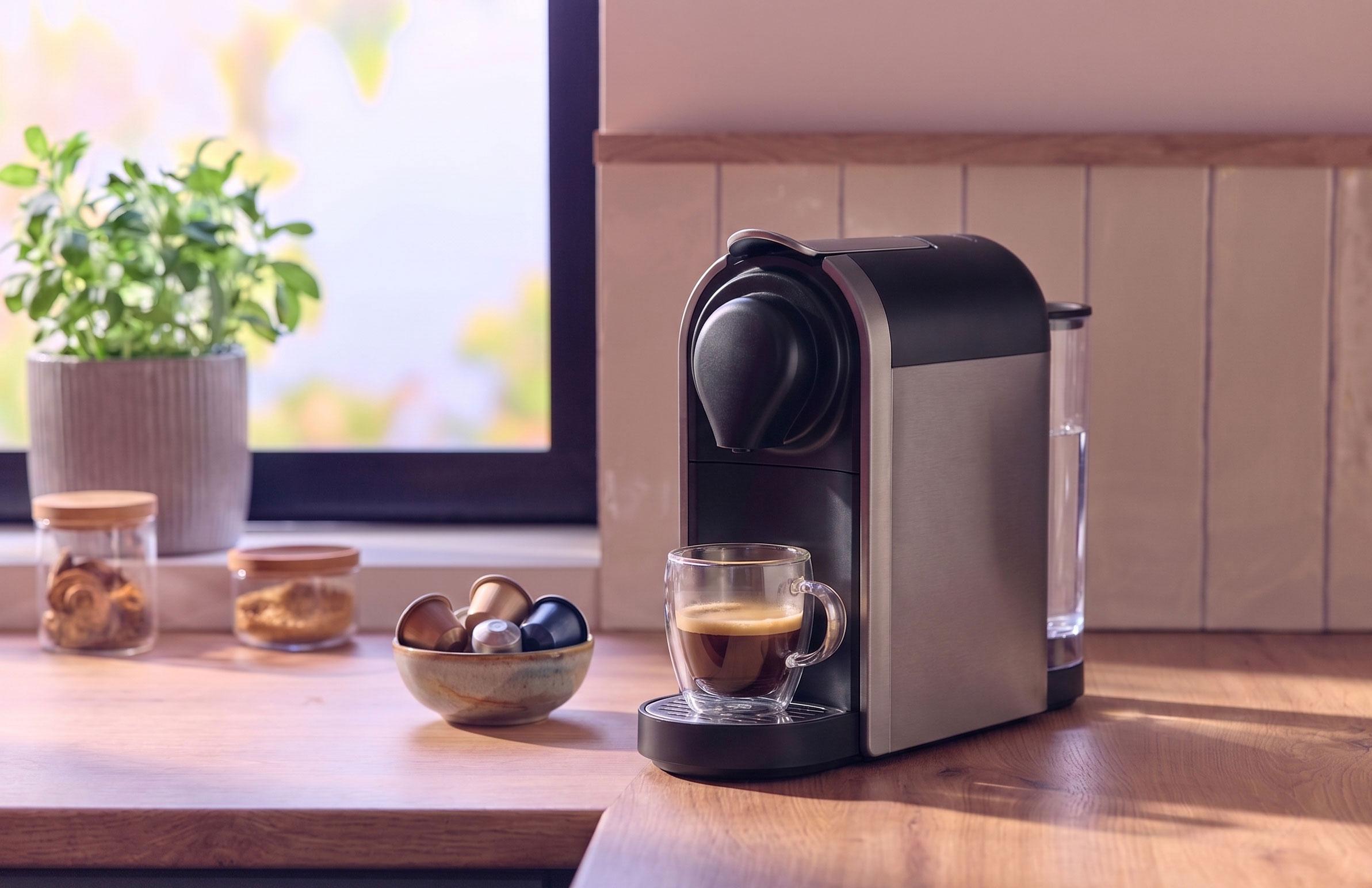
AICapsule or Pod Machine
+ small, compact and convenient
+ effortless portioning
+ easy to maintain and clean
– requires special accessories
Coffee without a machine
You don't necessarily need a machine for the perfect cup of coffee. Manual methods are very popular with coffee fans and baristas because they often bring out flavours in the cup that machines can miss. A big plus: you can hardly make coffee any cheaper! The three most popular methods are:
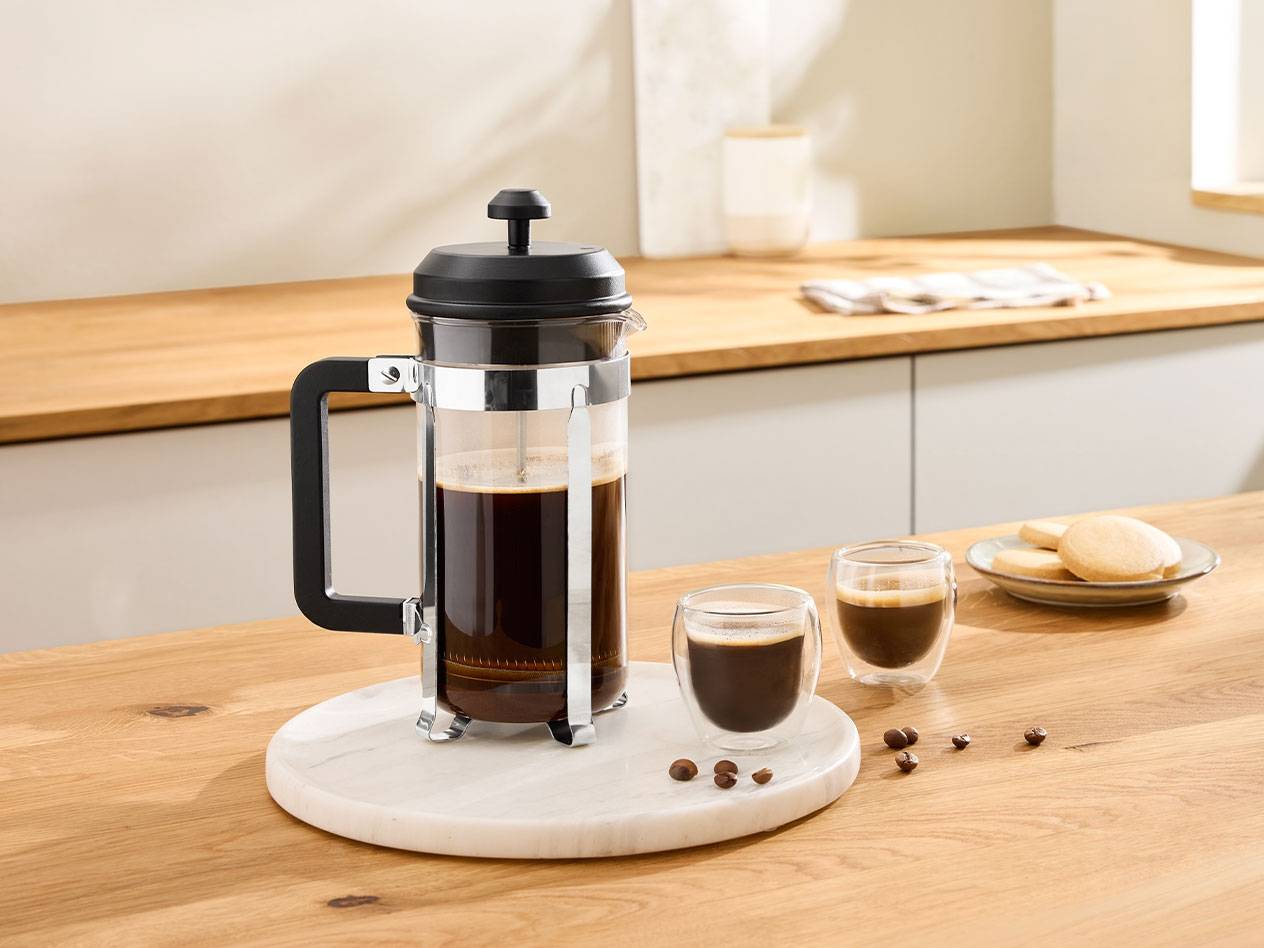
The French press makes strong, aromatic coffee and is effortless to use. It’s also very forgiving if you get the dosage or water temperature wrong. You just need to be a little careful about coffee grounds in your cup.
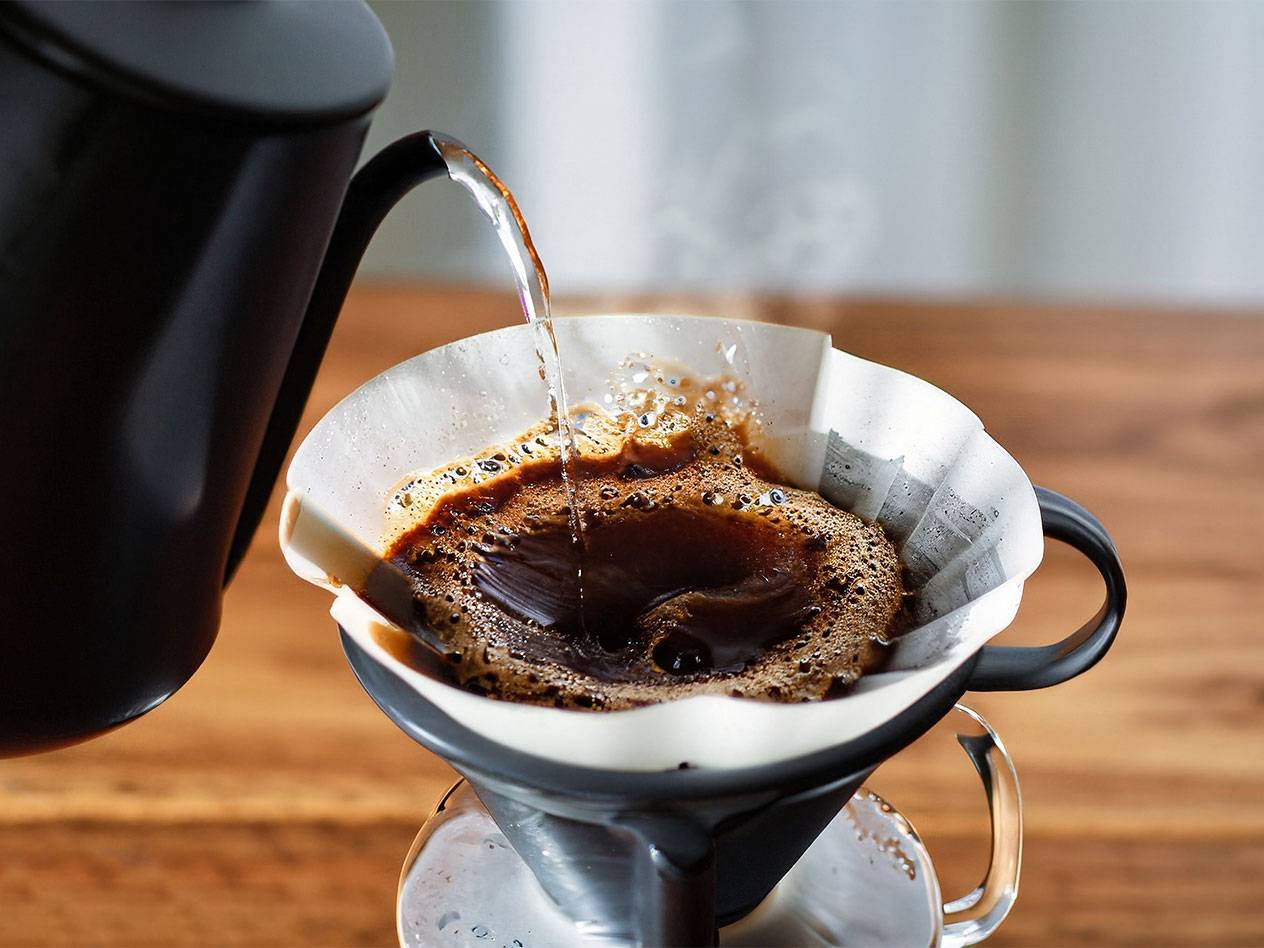
The pour-over coffee dripper is a favourite amongst baristas as it's perfect for the finest roasts. You're in complete control of every aspect of the brewing process. Even if you're not a budding barista, it's a great alternative for a single serving.
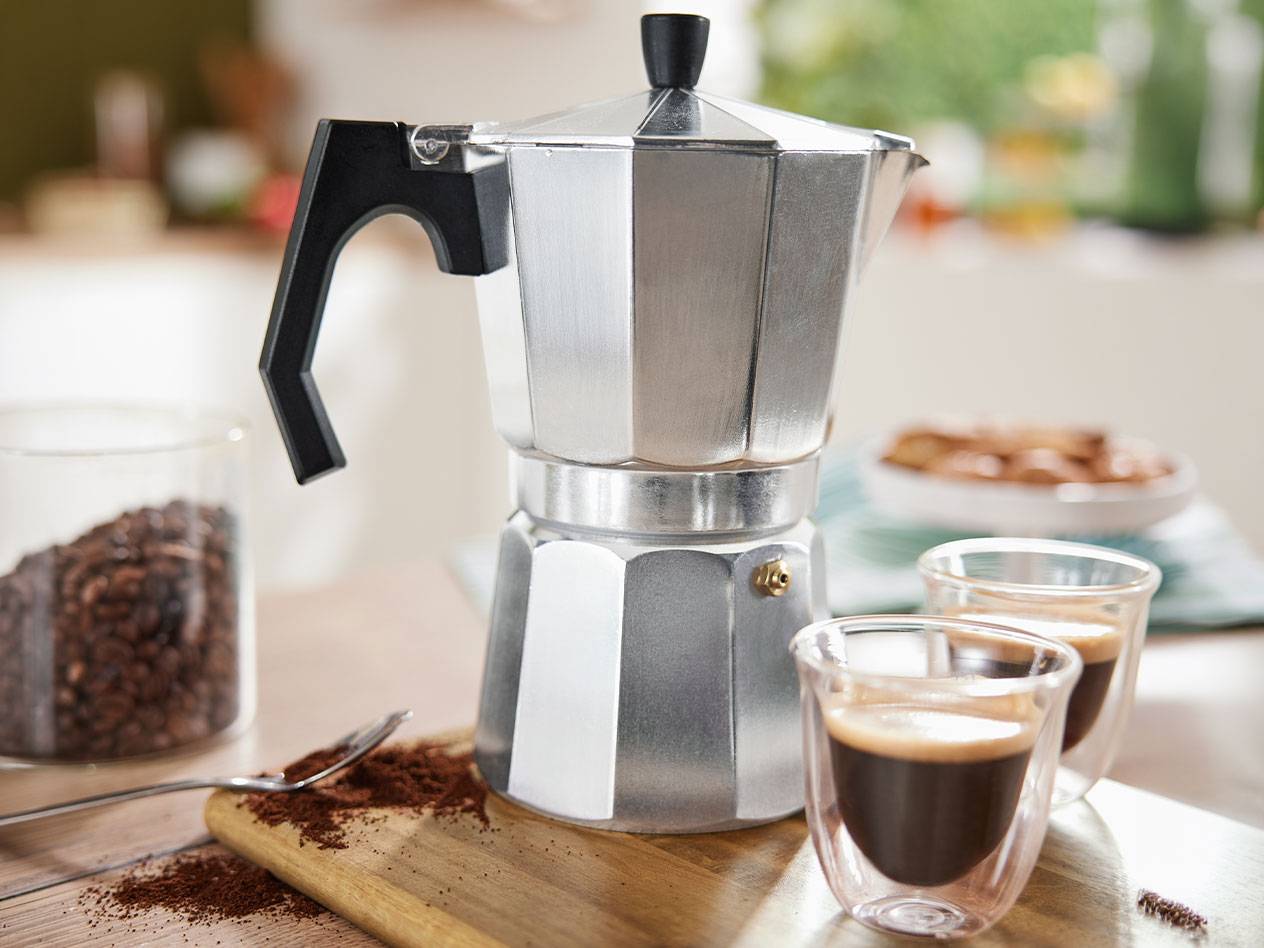
Coffee from a moka pot is the pure taste of Italy. The coffee is strong, rich and very similar to an espresso. It's quick to prepare. Make sure the pot is suitable for your hob – the classic aluminium version won't work on induction hobs.
Beans, water, temperature: the most important details for a great coffee
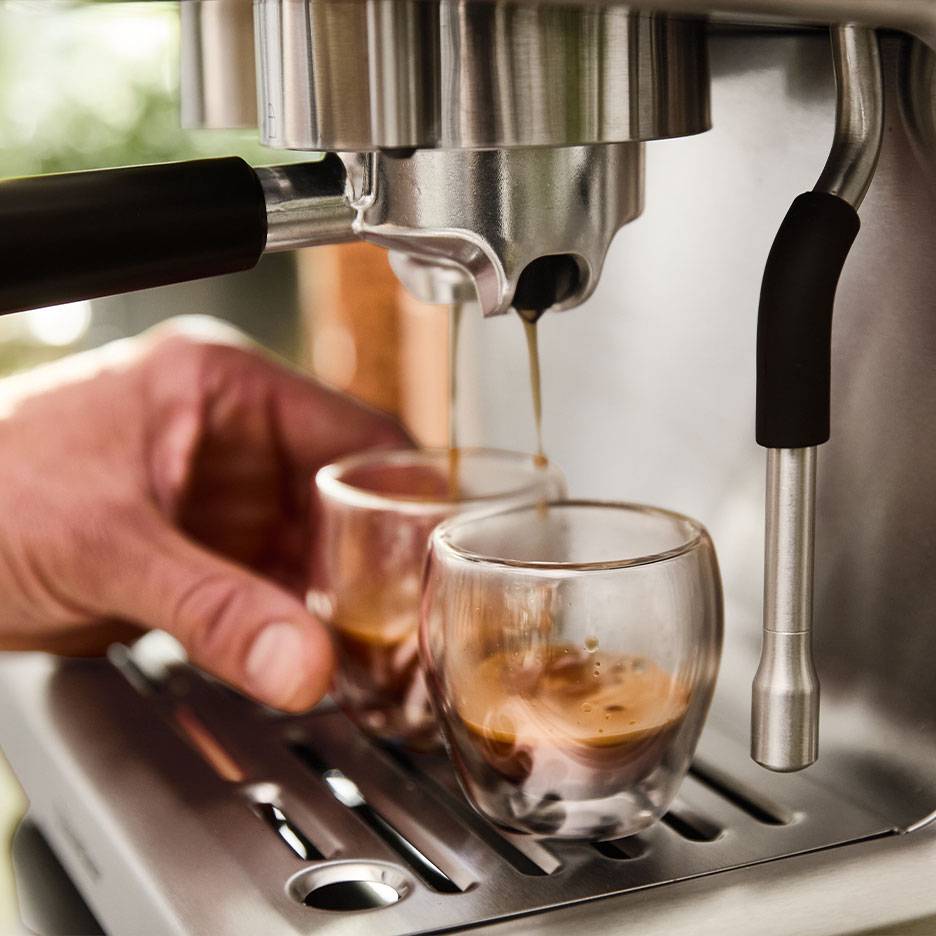
Great coffee starts with quality beans, best freshly ground. You'll taste the benefit, whatever your brewing method.
Hard water makes coffee taste sour and can damage your machine – a water filter jug can help.
If you're making coffee by hand, let the water cool down slightly. It shouldn't be hotter than 96°C when brewing.
How to store coffee correctly
As long as your coffee beans or ground coffee don't get wet and mouldy, they will theoretically last forever. However, coffee is mainly made up of volatile aromas that evaporate quickly, especially from ground coffee. To slow this down, you need to store your coffee correctly:
- Keep coffee well-sealed in its original bag. Use a coffee bag clip or place the coffee, bag and all, into a coffee caddy. Don't transfer it to another container. Exposure to oxygen speeds up the loss of flavour.
- Don't store coffee in the fridge. It absorbs moisture and odours from other foods. The reverse is also true: does your fridge smell musty? Place an open bowl of ground coffee inside!
- Freezing coffee? It doesn't help. Frozen coffee doesn't last any longer than unfrozen coffee. When it thaws, the aromas are lost particularly quickly as they dissolve in the condensation.
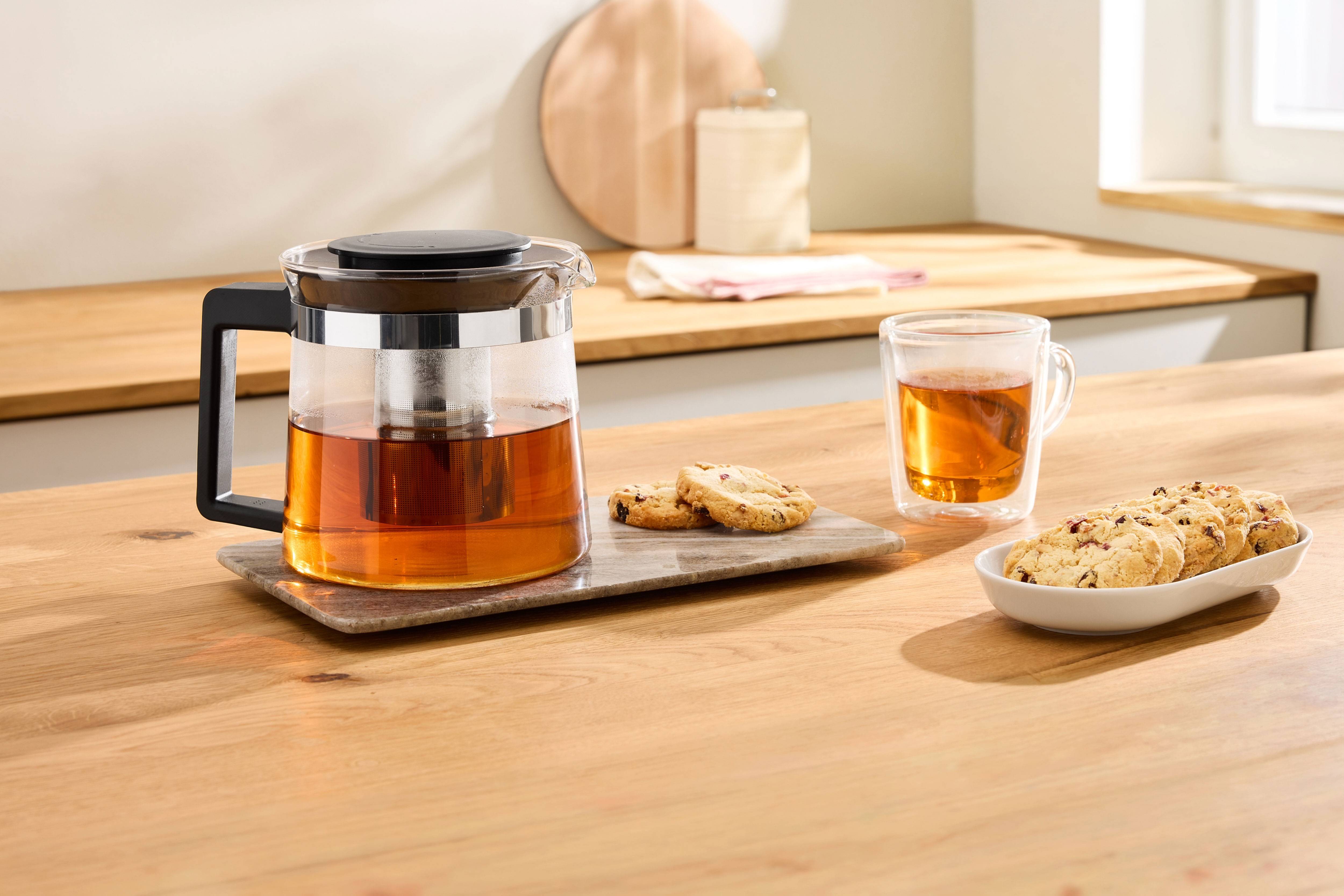
Making tea: loose leaf or tea bags?
You don't need much equipment to make tea, just good quality tea and a little knowledge about steeping times and water temperatures. Generally, you can prepare tea in two ways:
- Loose leaf tea offers a rich aroma and can be measured to your liking. To infuse properly, it needs space in a tea strainer or a teapot. You can steep the leaves multiple times, with each brew revealing slightly different nuances. For example, green tea loses its bitterness on the second infusion, resulting in a much smoother taste for many.
- Tea bags are designed for quick, easy enjoyment and are perfectly portioned. You can also use them for other purposes – for instance, a cold green tea bag can help with puffy eyes. However, they release almost all their flavour in the first infusion.
Did you know? Green, black and white tea all come from the same plant. They just represent different stages of fermentation.
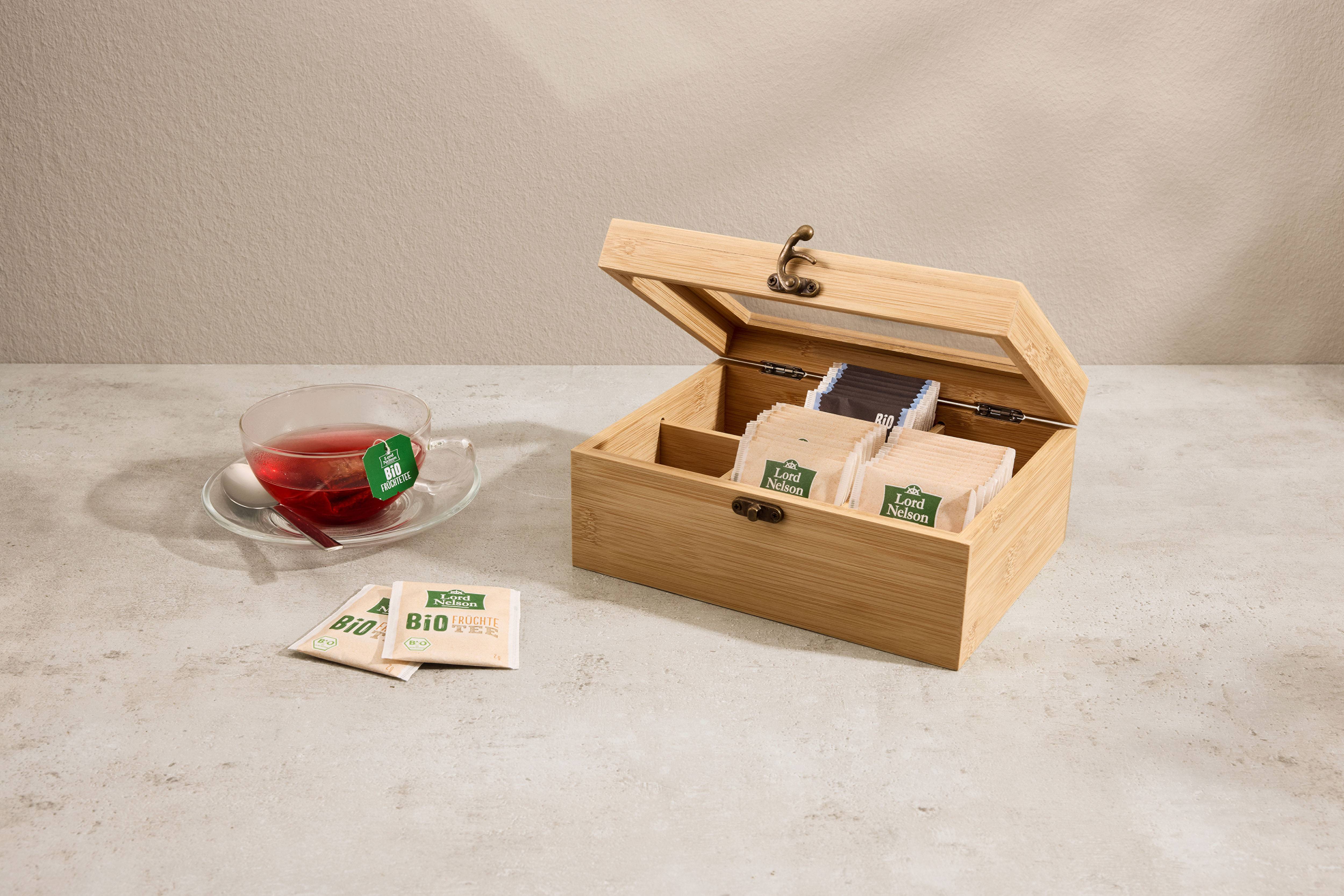
While you don't have to be too precise with the brewing time for fruit or herbal teas (though the temperature is important), with green and black teas every degree and every second counts. As a rule of thumb:
- Black tea: Depending on the variety, up to 100°C, for a maximum of 5 minutes
- Green tea: Depending on the variety, no more than 80°C, for a maximum of 4 minutes