
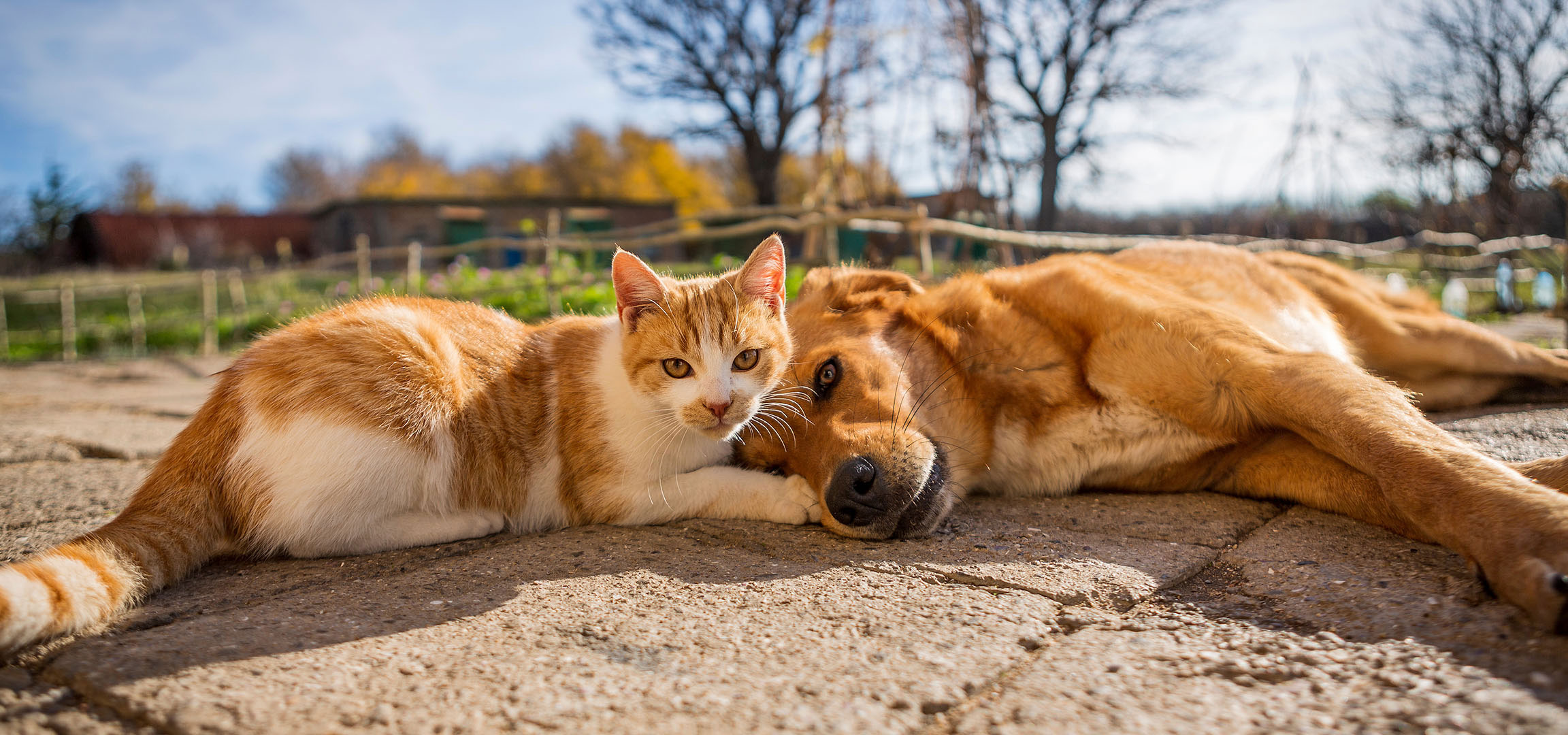
Late summer care: Ticks, harvest mites & co. are on their way
Long grass, warm evenings, extended strolls: late summer is a favourite time for many four-legged friends. Unfortunately, it's also a favourite for ticks, harvest mites, and other uninvited guests. The good news: with a few simple rituals, your dog and cat can stay protected – and you can all enjoy the golden season carefree.
What are these summer pests and how to spot them
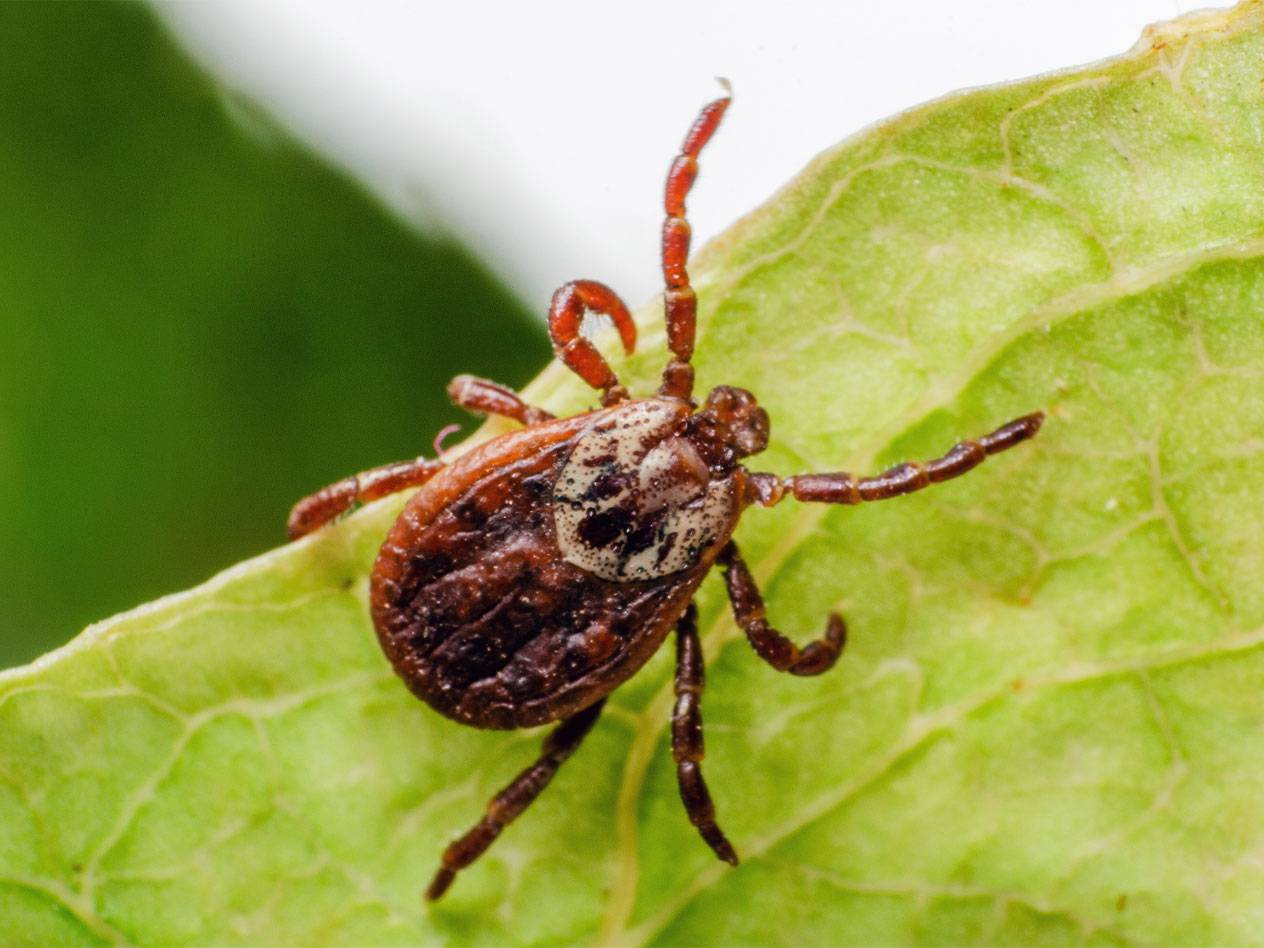 Ticks – the persistent lurkers
Ticks are found in grasses and bushes, where they wait for a host. They are active right through to autumn, especially when temperatures are mild. A tick bite is usually harmless, but can transmit diseases, so it's well worth checking for them consistently.
 Chiggers – the itchy little mites
Harvest mite larvae are in their peak season from July to October. They lurk in grassy areas and attach themselves to your pet's paws, belly and head. Typical signs include licking and scratching (often on the toes), as well as small orange-red dots in the fur.
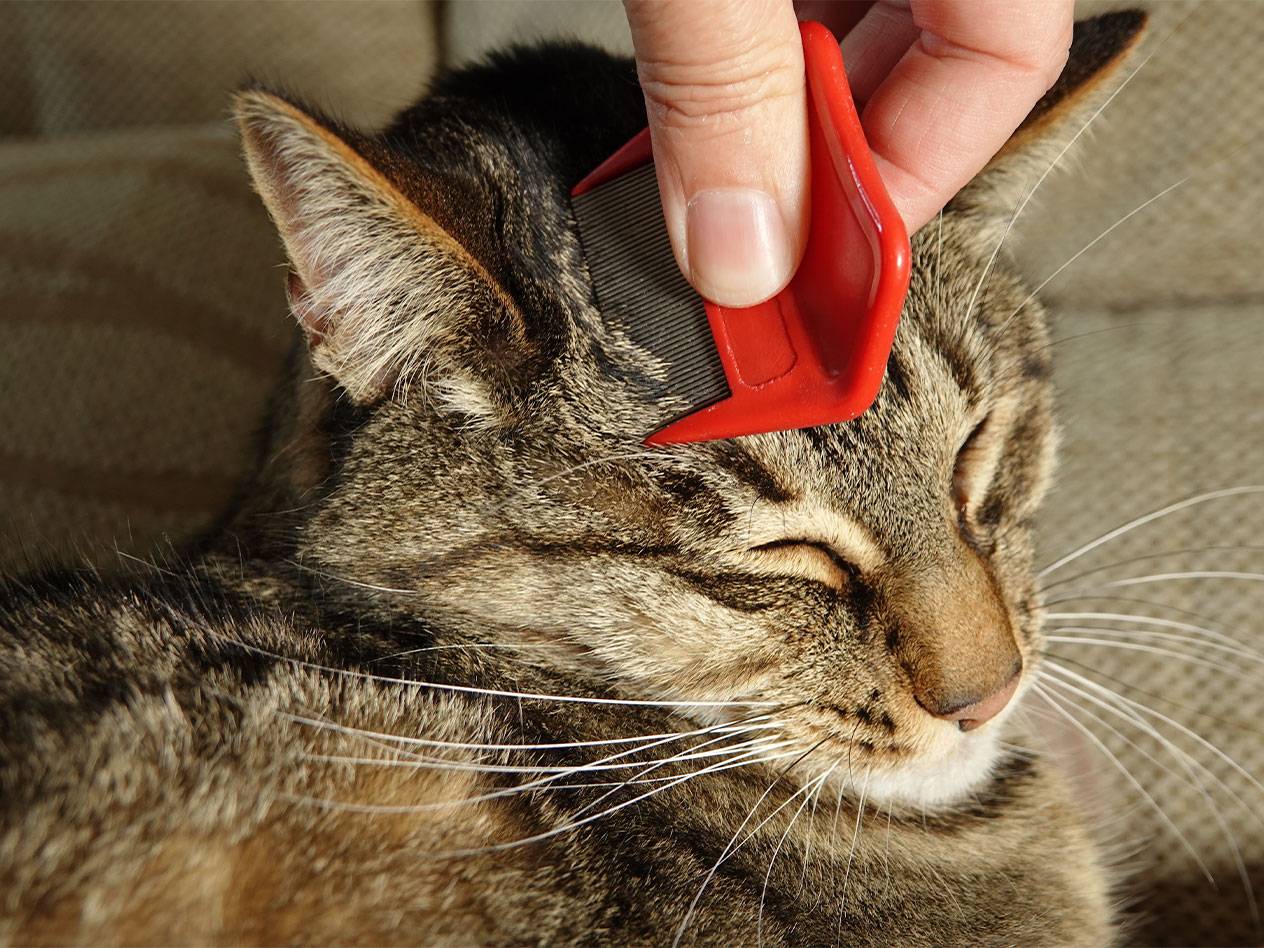 Fleas – the unwanted guests
Fleas thrive in late summer and often hitch a ride into your home. Frequent scratching and small dark specks in your pet's fur are typical signs.

How to protect your dog from ticks, mites and fleas
After a walk, it's time for a cuddle check! Give your dog a thorough stroke, feeling their head, ears, armpits and belly – these are the places where ticks love to hide. If you find a tick, it's best to remove it quickly with tick tweezers or a tick card, as close to the skin as possible and with a steady pull. If you suspect harvest mites, it helps to rinse their paws with lukewarm water after your walk. Your vet practice can give you individual advice on suitable protective products.
How to keep your cat protected
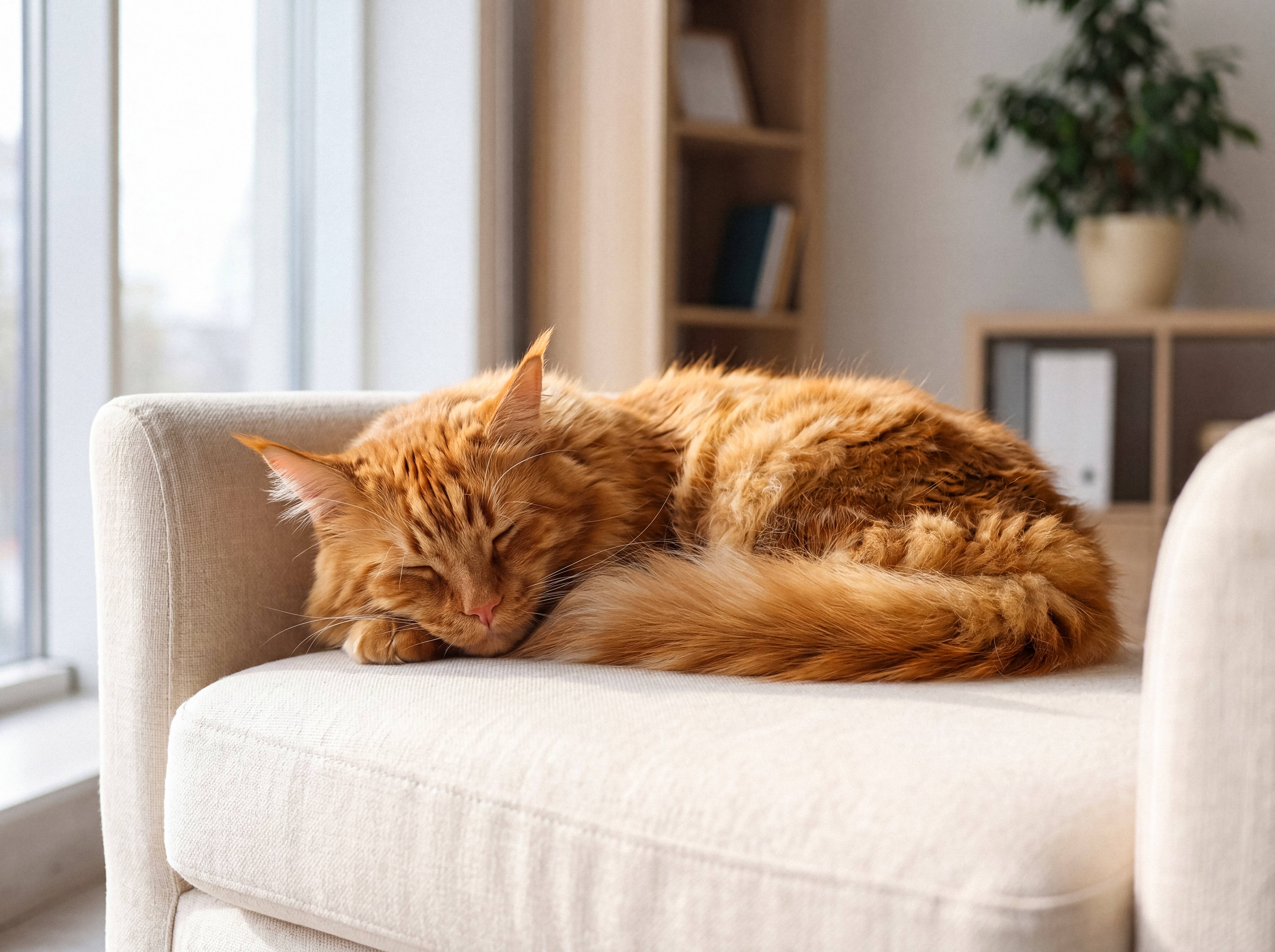
Outdoor cats sometimes bring unwanted guests home. Turn your daily cuddle into a gentle check-up: while your cat is purring, feel their head, neck and tummy. Regular brushing also helps you to spot any issues early – and your cat will enjoy the extra attention. It's important to know that some tick treatments for dogs are not suitable for cats. Therefore, only use products that are specifically approved for cats.
Support their wellbeing from within
A well-kept coat and an intact skin barrier are your pet's natural protective layer. Recipes with Omega-3 and Omega-6 fatty acids from fish oil and linseed nourish the skin and hair roots from the inside out – for a thick, shiny coat that helps your pet feel completely comfortable.
Small rituals, big results
A quick check after a trip outdoors, regular brushing and a watchful eye for any changes: that's often all it takes to spoil the late summer for ticks, mites & co. This leaves more time for what really matters – enjoying adventures together in the sun.