Removing Wall Plugs: The Quick & Easy Way
Wall plugs are designed to sit firmly in the wall – that’s their job. But how do you get them back out without causing damage? We'll explain the best methods for removing wall plugs and share a few tricks from the toolbox.
It's all about the right wall plug
Just grab it with pliers and pull, what could go wrong? Depending on the type, wall plugs are anchored in the wall in different ways. If you use the wrong method to remove a wall plug, you could end up with cracks in the wall. That's why you should first check what type of wall plug you're dealing with:
Typ | Erkennungsmerkmal | Typisch für |
|---|---|---|
Allzweck- / Universaldübe | Typischer Dübel, meist aus Kunststoff | Leichte Aufhängungen (Bilder etc.), alle Wandtypen |
Gips- / Dämmstoffdübel | Selbstschneidende Dübel mit breitem Außengewinde, meist aus Kunststoff | Gips- und Dämmstoffflächen, insbesondere an Fassaden |
Hohlraumdübel | Komplexer Wanddübel mit ausklappenden Widerhaken, aus Metall | Wände in Hohlraum-Bauweise |
Spreizdübel | Dübel mit kleinen Widerhaken, aus Kunststoff | Leichte Aufhängungen (Bilder etc.), Massivwände |
Removing standard wall plugs
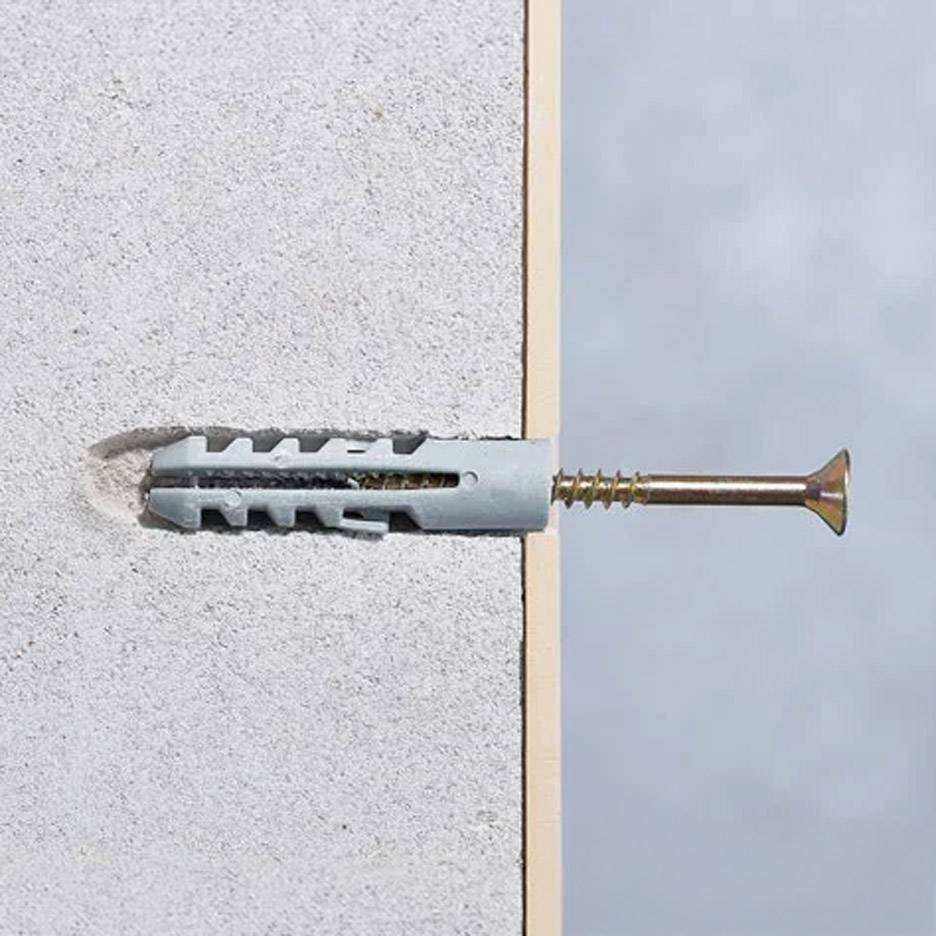
Standard universal and expansion plugs are quick to remove once you get a good grip on them. Here's how:
- Choose a screw that fits snugly into the wall plug.
- Screw it in no more than 2 cm.
- Grip the screw with a pair of pliers and pull everything out of the wall.
Removing stuck wall plugs
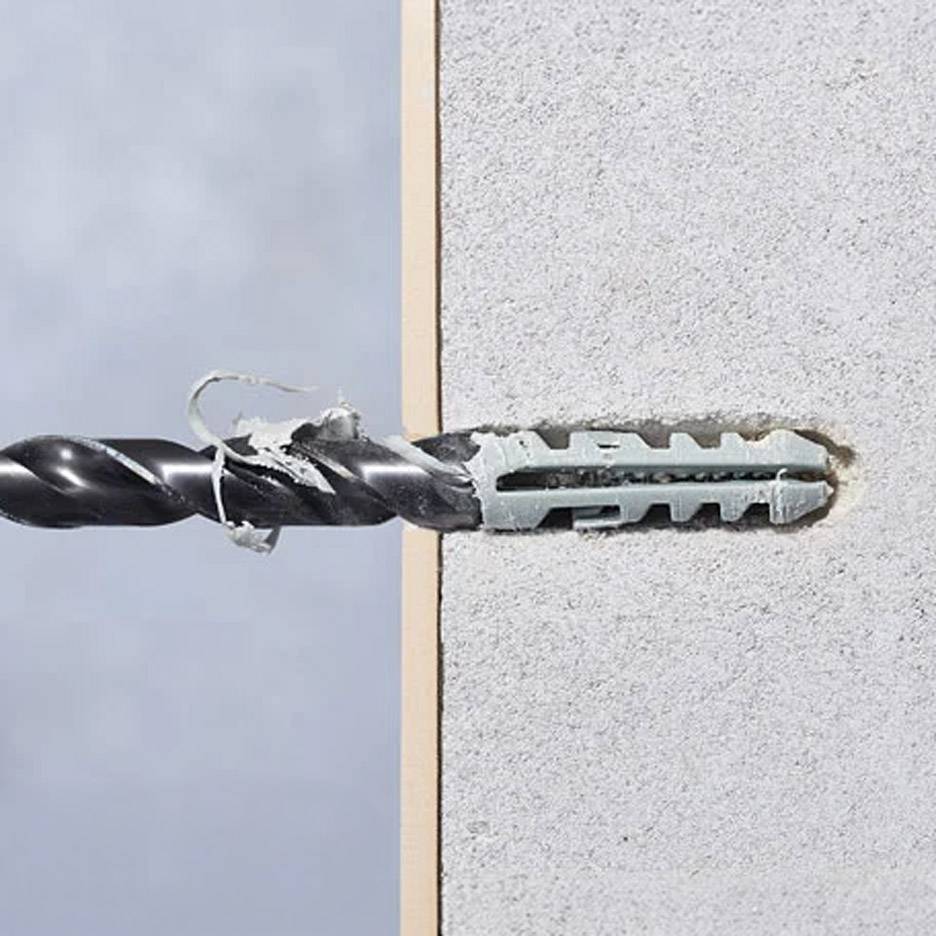
If you want to remove stuck universal or plasterboard wall plugs, you can drill them out. Essentially, you are clearing them out of the drill hole. To do this, you will need a drill or a cordless screwdriver with a drill bit. Here’s how to do it:
- Choose a drill bit with a slightly larger diameter than the wall plug.
- Drill directly into the wall plug using light pressure.
- Check regularly to see if the wall plug has been completely drilled out.
Tip: If you feel sudden resistance when drilling in solid walls, you have drilled through the plug and are hitting the masonry behind it.
Removing self-tapping wall plugs
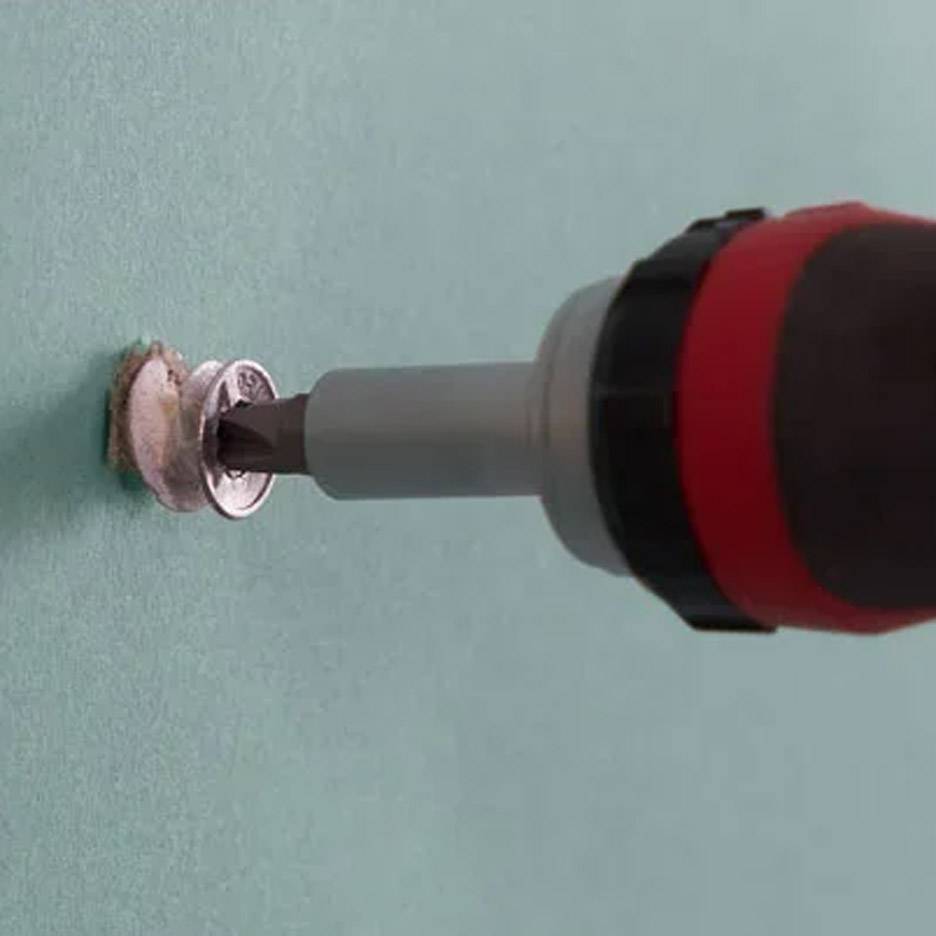
Self-tapping wall plugs with an external thread can be unscrewed just as easily as they were screwed into the wall. Here’s how it works:
- Choose a suitable screwdriver or a pair of flat-nosed pliers.
- Turn the wall plug anti-clockwise to remove it.
- Make sure your tool is sitting straight in the wall plug as you turn.
Removing hollow wall anchors
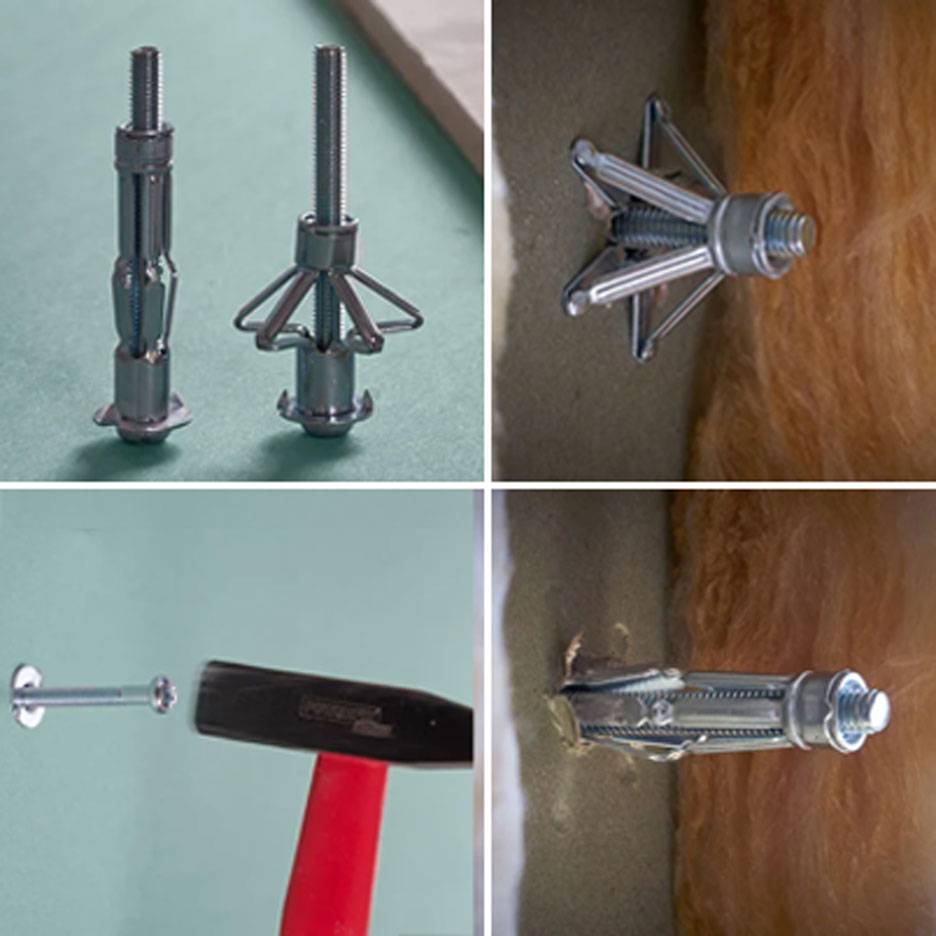
Removing hollow wall anchors is a little more complicated. This is because they work differently to the other types of wall plugs mentioned so far. To remove metal cavity anchors, follow these steps:
- Choose a long screw that fits perfectly.
- Carefully screw it in. It's important that it catches the thread at the back of the anchor, but still sticks out of the wall by at least 2 cm at the front.
- Gently tap the screw in with a hammer. This will push the thread out from behind the wall, causing the anchor's barbs to retract.
- When the screw can't be hammered in any further, the barbs have collapsed enough.
- Now you can pull the hollow wall anchor out of the wall by hand or with a pair of pliers.
Tip: Removing wall plugs without tools?
If you don't have the right tool to hand, simply screw a corkscrew into the wall plug and then pull it out. Just make sure not to screw it in too deep, so the wall plug doesn't expand.
What to do after removing wall plugs?
You don't need to be a DIY expert to fill drill holes, you just need the right equipment and a little bit of care:
- Clean any dust and debris from the drill hole (a vacuum cleaner is best for this).
- Dampen the inside of the hole (using a cotton bud, for example).
- Use a silicone, plaster or cement-based filler to fill the hole.
Did you know? Removing wall plugs isn't always the tenant's responsibility. Your landlord can ask you to remove them if the number of drill holes is considered excessive. Check your tenancy agreement – there are usually clear rules on this.